Guide to Luang Prabang, Laos
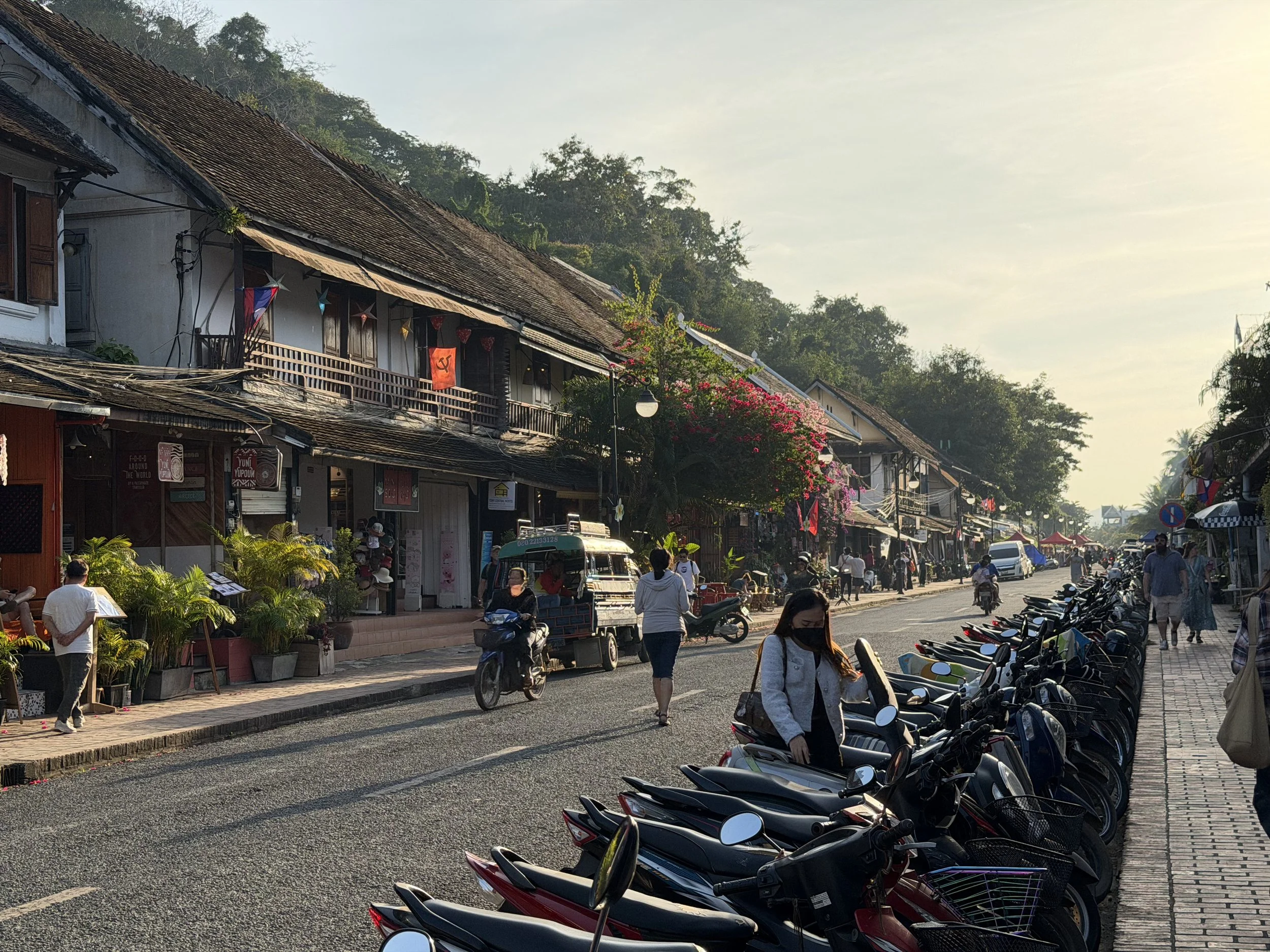
Luang Prabang is the ancient capital of the Lao kingdom of Lan Xang in the 1350s before it was moved to present day Vientiane. It has a lot of historical buildings, a well preserved and relatively developed old town, and plenty of temples. As a former French protectorate, there are also a few colonial era buildings with French influences that are now turned into restaurants and guest houses. Luang Prabang is still considered the religious heart of the country. The dry season starts around late October and lasts until March when most tourists visit.
Where to stay
The town of Luang Prabang is walkable and not very large. It takes only 30 minutes to walk from one end to the other so it’s not too important where exactly you stay. There are many charming historical buildings in the old town area and newer hotels a bit further out.
3 Nagas
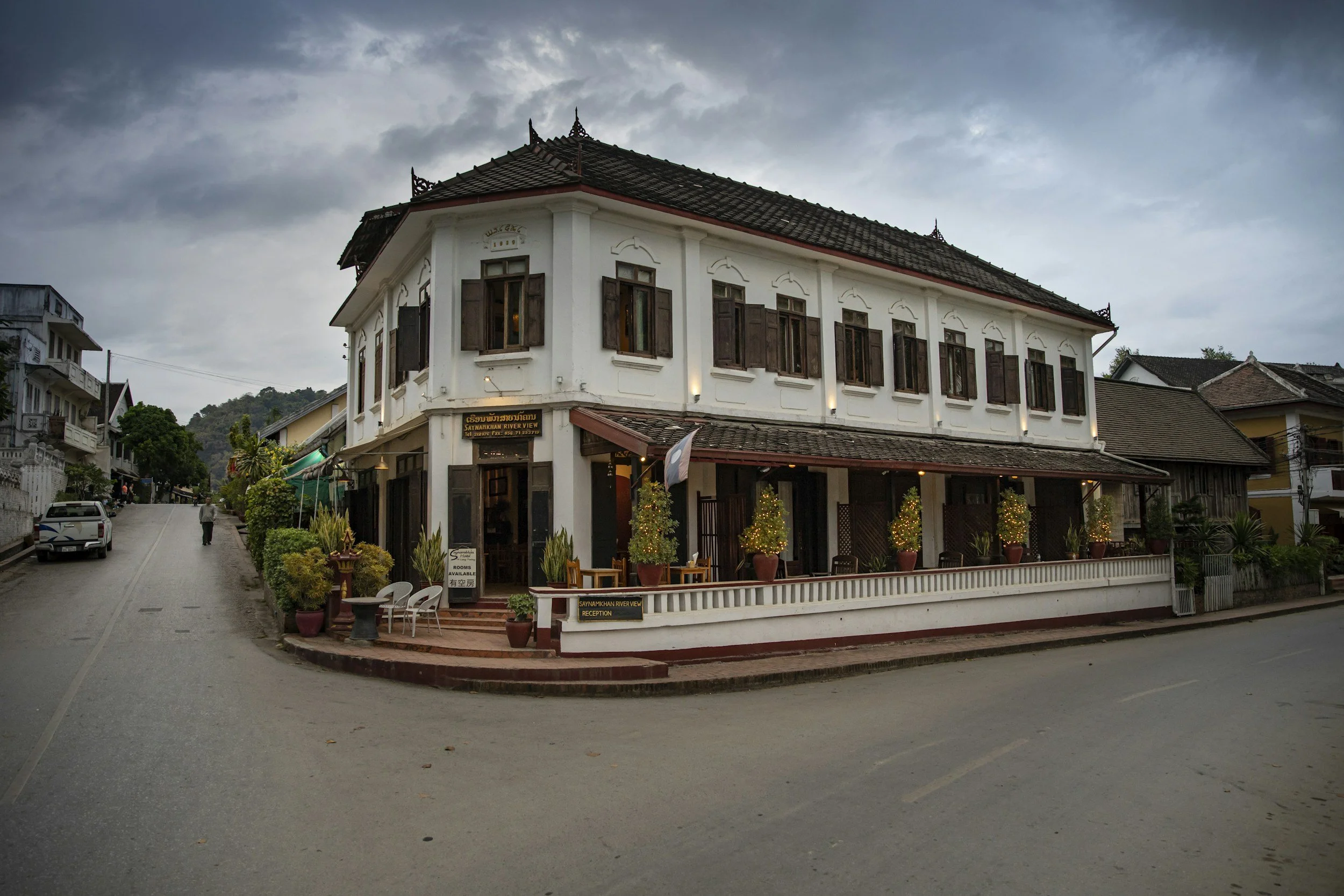
3 Nagas is a historical hotel in the heart of old town with updated interior and polished service. The outdoor bar and restaurant area is an amazing place to hang out at the end of the day and people watch. They share the same owner as the Sofitel so there is a shuttle between the two properties and shared access to a full gym, pool and restaurants.
Senglao Hotel
Although a bit out of town, the Senglao Hotel is a very fairly priced and new hotel with comfortable beds and trendy rooms. They offer free shuttles to and from the old town every hour and will pick up anytime on request for free as well. The onsite restaurant has a limited but authentic Lao menu as well.
Villa Mira Heritage
This locally owned guest house sits next to Wat Xiengthong in the quieter end of old town and in a historic building. The price is very affordable and the rooms are comfortable.
The Namkang, a Small Luxury Hotel of the World
If you’re looking for a more nature focused stay outside the bustle of the city, The Namkang is the place for you. They have glamping tents as well as traditional air conditioned rooms set alongside the river with a fantastic view. The hotel offers free shuttles to town to make up for its more remote location. Last minute rooms are quite cheap on Agoda.
Amantaka
Amantaka is the most exclusive and best hotel in town. The building was a former hospital built in the colonial times and meticulously converted into an Aman hotel. The restaurant and bar are open to the public and the staff are more than happy to show you around as well. The service here is amazing and everyone takes pride in working here.
How many days should I spend?
2 full days would be enough to see the highlights. I recommend staying at least 3 to savor the many restaurants and bars in the area to experience a little more outside the usual tourist circle. 4-5 days would be ideal for doing a few more activities such as farm tours.
Visa
The online e-visa costs $50 USD and some extra for processing fee while the visa on arrival only costs about $41 paid in cash but an extra half hour wait at the airport. I highly recommend doing the visa online to save yourself valuable time. The customs area in the airports in Laos is not a great place to hang out. If you do arrive at the airport without one, you will need a passport photo or pay an extra $1. There are 2 forms to fill out and quite tedious.
Getting To Luang Prabang
By Flight
Luang Prabang is connected by direct flights to Bangkok, Ho Chi Minh via Siem Reap, and Hanoi. I recommend flying through Bangkok as the flights are the cheapest and run 2-3x per day. While many people enjoy the scenery of slower methods of travel, Laos is still relatively undeveloped and most areas outside of Luang Prabang don’t have very good infrastructure. Flying is still the most comfortable and quickest way to arrive, and comparable price wise to boat or rail if you factor in additional nights of accommodations.
By Rail
The Lao China High Speed Rail connects Kunming, Yunnan with Laos through a border crossing and all the way down to Vientiane near the border with Thailand.
While it is a nice train journey, the tickets can only be purchased online 7 days before for international trains to and from China, or 4 days in advance within Laos via the LCR Rail iOS app or LCR Rail Android app. You must have a Thai, Chinese, Lao, or Vietnamese phone number to create an account for booking. Alternatively, Baolau has tickets online for a small surcharge.
Most tickets are sold out prior to general online availability because tour agencies have advance access. Popular times and routes with group tours are often completely booked out. You may have better luck purchasing through an agent although the added cost may not be worth it compared to a shared minivan within Laos.
It also takes about an hour and $15-20 USD taxi to reach the railway station from Luang Prabang on a windy road.
By Boat
Shared slow boats are available from the Thai border starting near Chiang Rai and take about two days with a night in Pak Bang. If you have the time, it is a beautiful way to spend 2 days cruising down the river although not the most glamorous option. Shompoo Cruise is a reputable operator that offers some comfort for a modest price.
Mekong Kingdoms also has full service cruises with private cabins down the river. Check the departure schedule and book ahead of time since it has limited rooms and tends to sell out. It is quite expensive but the only luxury option for slow boats.
Getting Around
LOCA is the Uber or Bolt of Laos and a locally built and owned app. Most drivers on the platform speak English. The quoted prices do not include tax and service charge so you will pay a bit more. The app also has QR payment functionality if you need to pay local vendors that do not accept credit cards with a small transaction fee on top.
Food & Drinks
Restaurants
Tamarind Restaurant - One of the most famous restaurants in town for Laotian food, order a la carte or pick one of the sets for your group. Lunch is usually not too busy but definitely make a reservation for dinner because they’re packed every night. They have a great cooking class and also has some funkier things on the menu as well like fermented shrimp papaya salad.
Bamboo Tree Namkhan Restaurant - Another pretty famous restaurant in town next to Tamarind. A bit less busy and has many set menus for one person.
Little Lao House - A relatively new restaurant that showcases more foreigner friendly Laotian cuisine. Beautiful decor and warm staff as well.
Cafes
Saffron Coffee - One of the first specialty coffee shops in town, has fast wifi and plenty of tables to work remotely from as well.
LuLaLao Coffee - A newer specialty coffee shop that focuses on the best beans Laos offers. Many rare varietals such as geishas and anaerobic processed beans are available for pourers or espresso. The communal space is open with a few seats for socializing.
Sahai Cafe - A true cafe that does food, coffee, and cocktails pretty well. You will find a little bit of something for everyone here and most things on the menu are pretty good.
Bars
Artisan Bar - This is the best cocktail bar in town with a speakeasy vibe and entrance through a small alley. Most ingredients are local and there are a few hidden items that are also not on the menu as well. Make sure to ask the bartender for recommendations.
Little Lao Culture Bar - Interesting cocktail bar with most drinks made from local herbs and fruits. They have small dishes that are great for sharing and 20 different spicy sauces to try as well.
Jungle Lounge Bar - Beautiful lounge, cafe, and bar along the Namkang River. It’s a pretty quiet and relaxing lounge during the day serving both Laotian and Western menu items. In the evenings, the space comes alive with music and a lot more social too.
Nagini by 3 Nagas - Polished hotel bar facing the street with beautiful decor and decent drinks.
What to do in Luang Prabang
Laos is popular with Chinese package tour groups as it is one of the cheapest places in the region and well connected China by rail and air to Yunnan. To have the best experience, try to avoid the group tours and visit attractions off hours.
1 - Kuangsi Falls
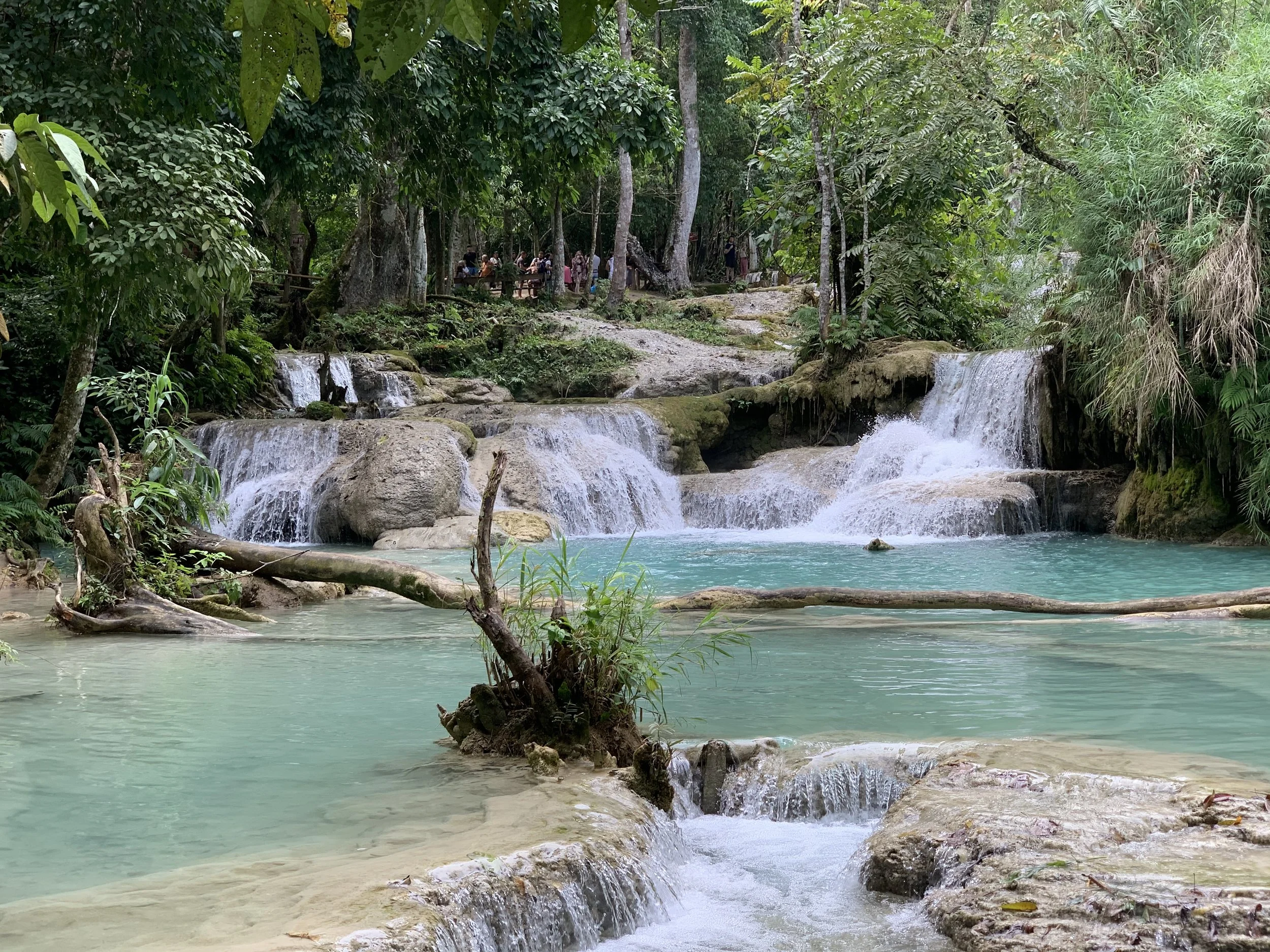
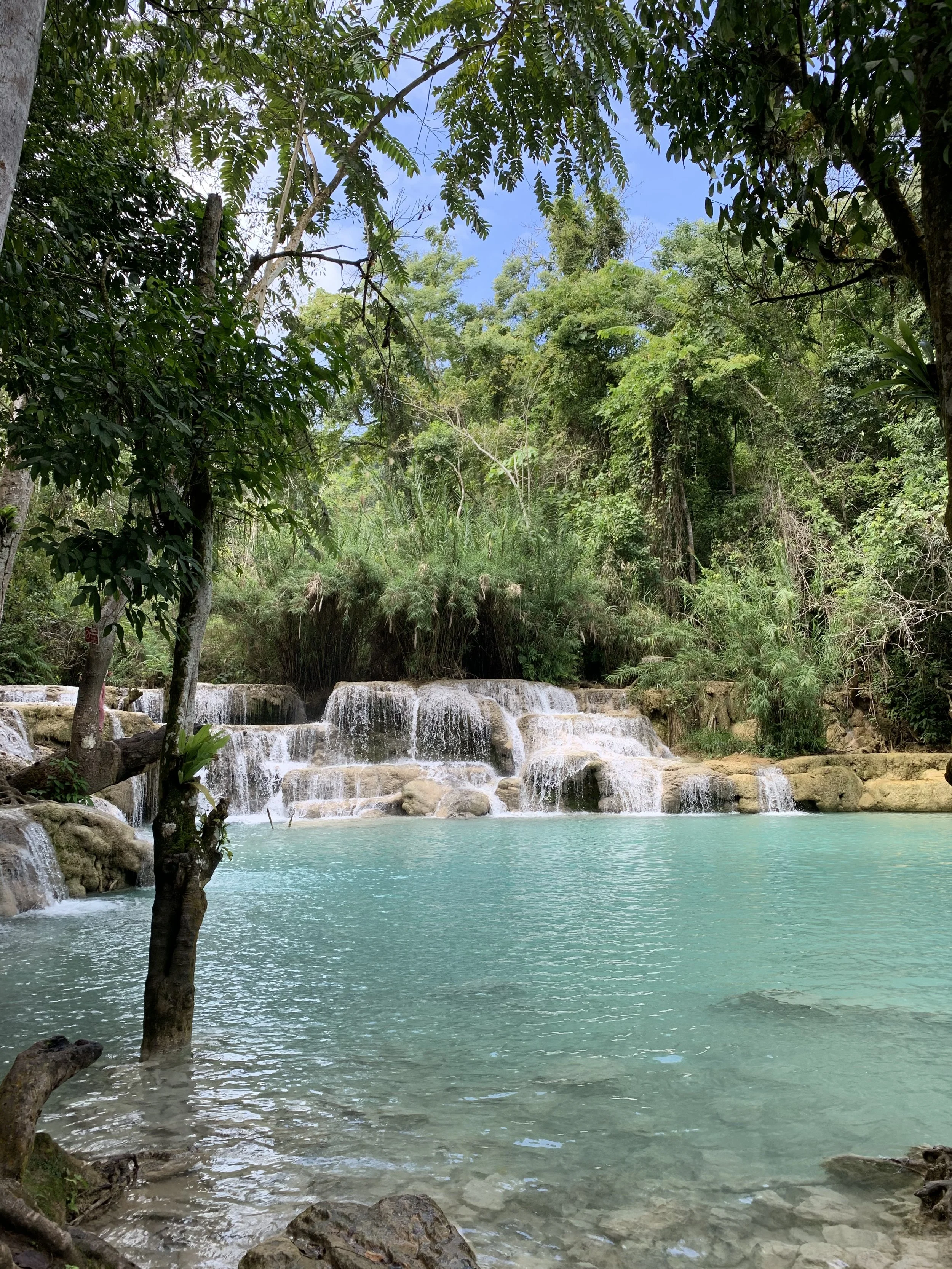
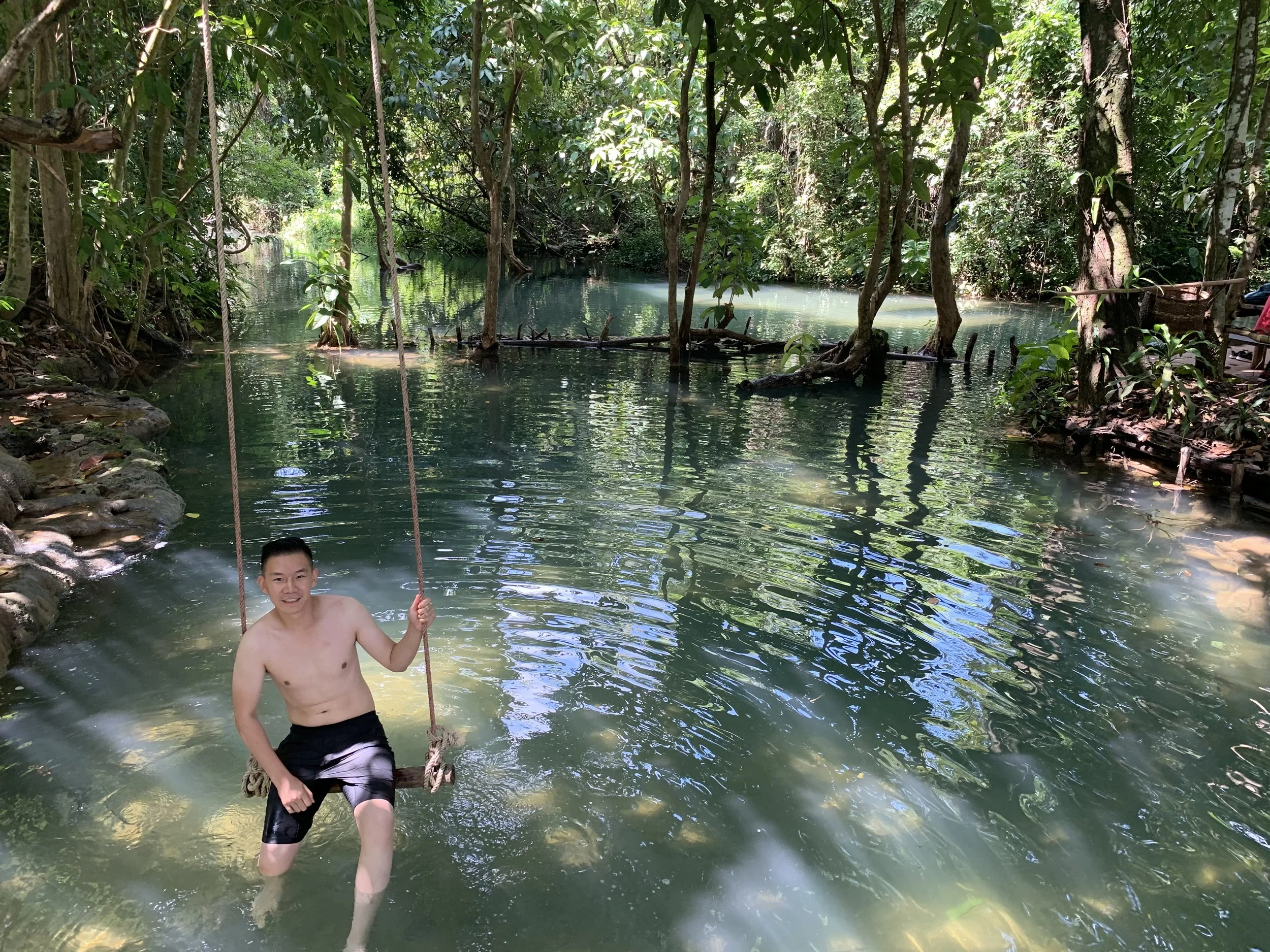
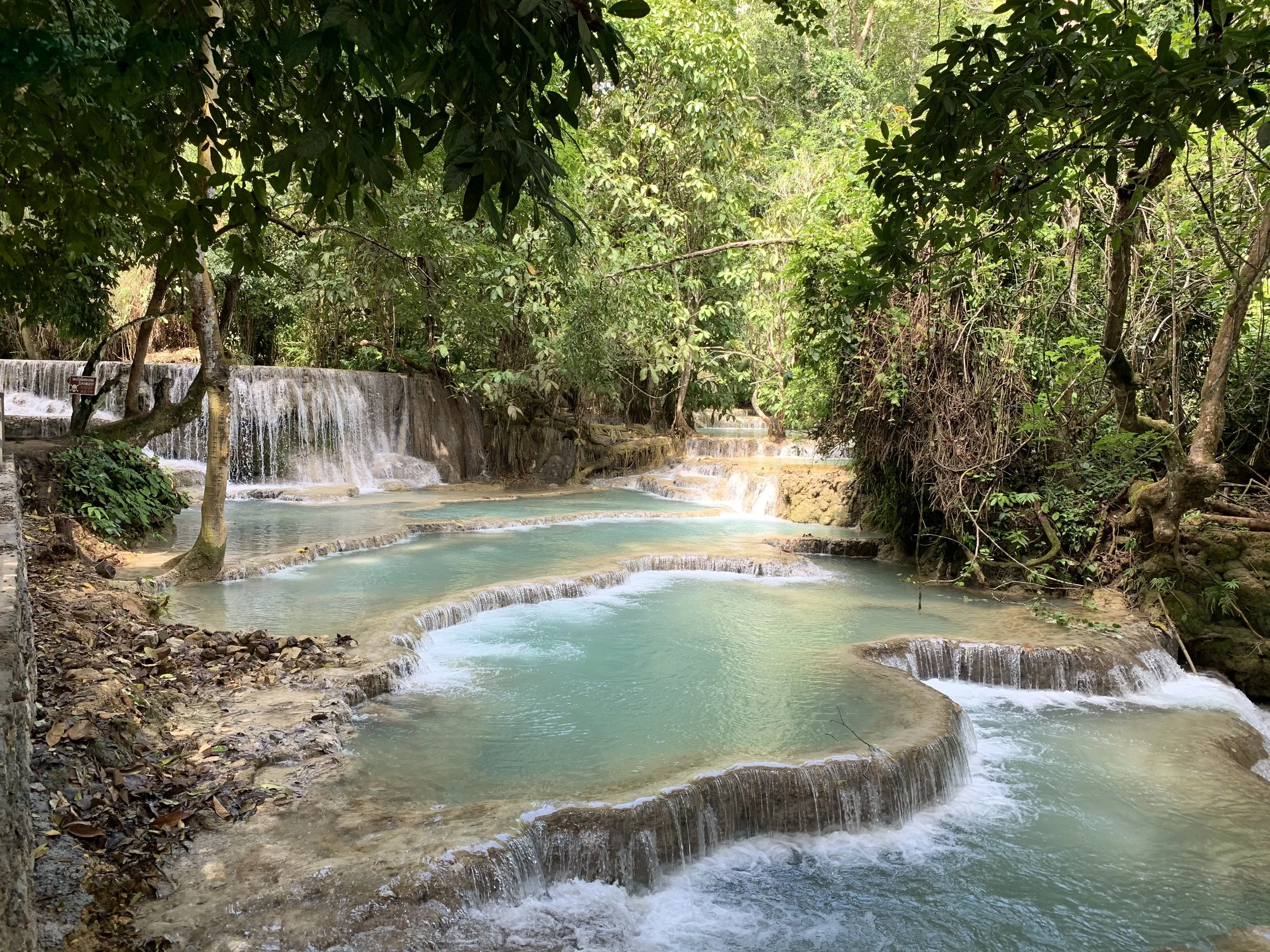
This waterfall is one of the most beautiful I’ve seen in Asia and is made up of multiple smaller falls that cascade down from the main fall. The waters are turquoise blue and teeming with fish you can swim with. Come early mornings or afternoons to avoid the tour groups. The groups often visit here late mornings after almsgiving and temple tours. You can arrange transport through LOCA or find a shared transfer in many of the tour agencies in town relatively easily.
2 - Almsgiving
The spirit of almsgiving is to show appreciation to the local monks who take care of the temples. Unfortunately, this practice has been commercialized into a photo opportunity for large tour groups in recent years to boost tourism to Luang Prabang but it is still worth stopping by to see.
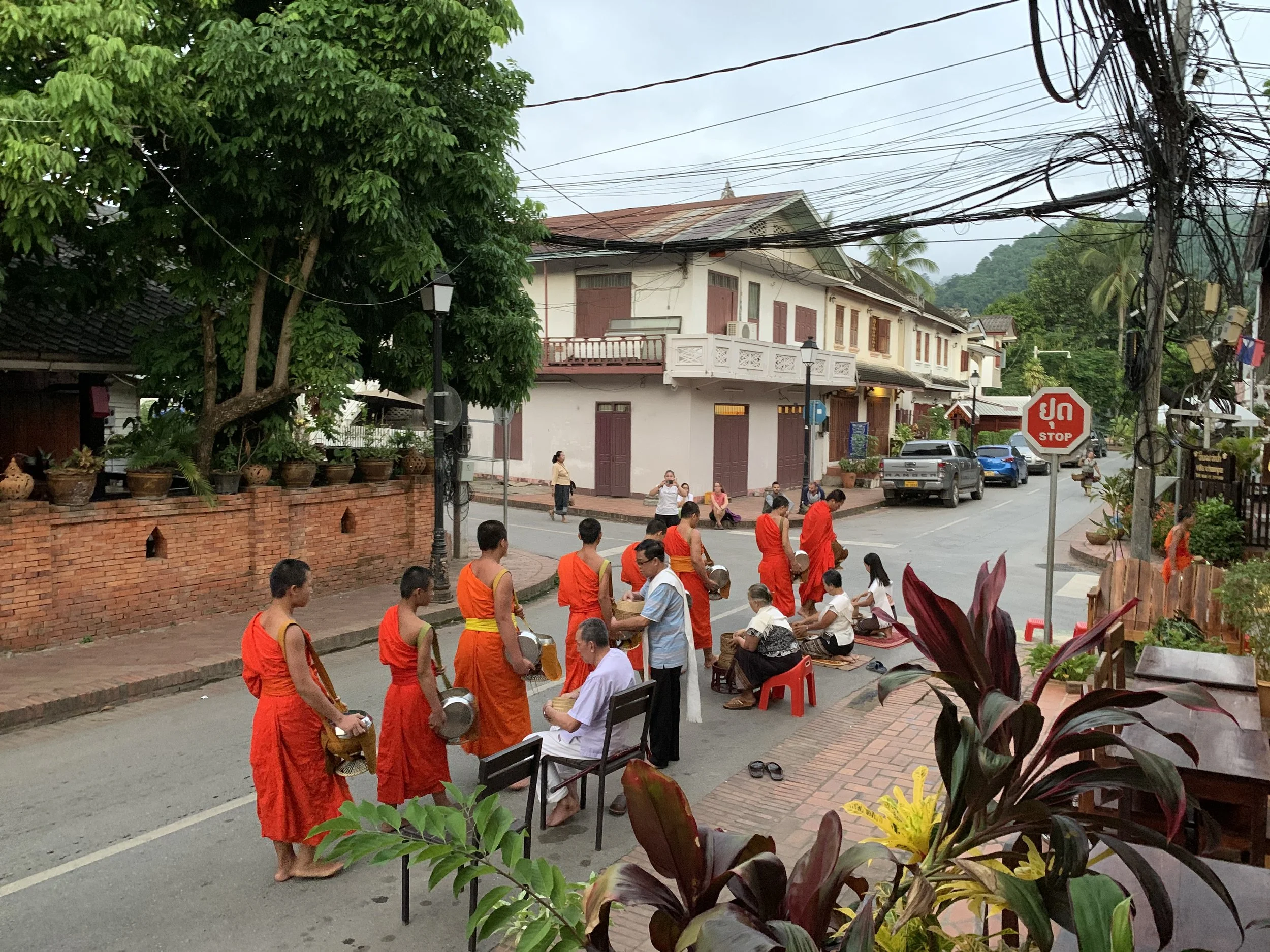
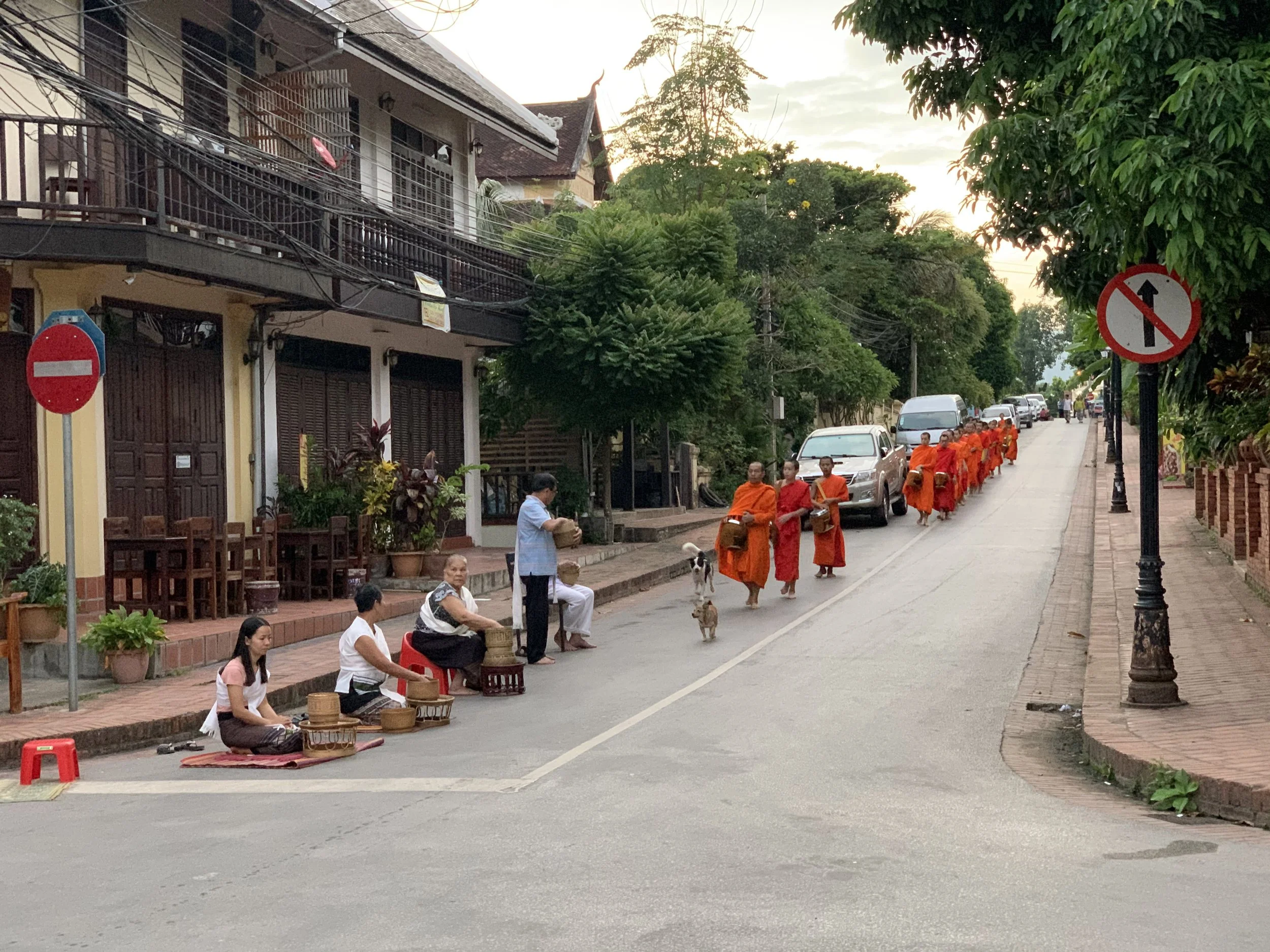
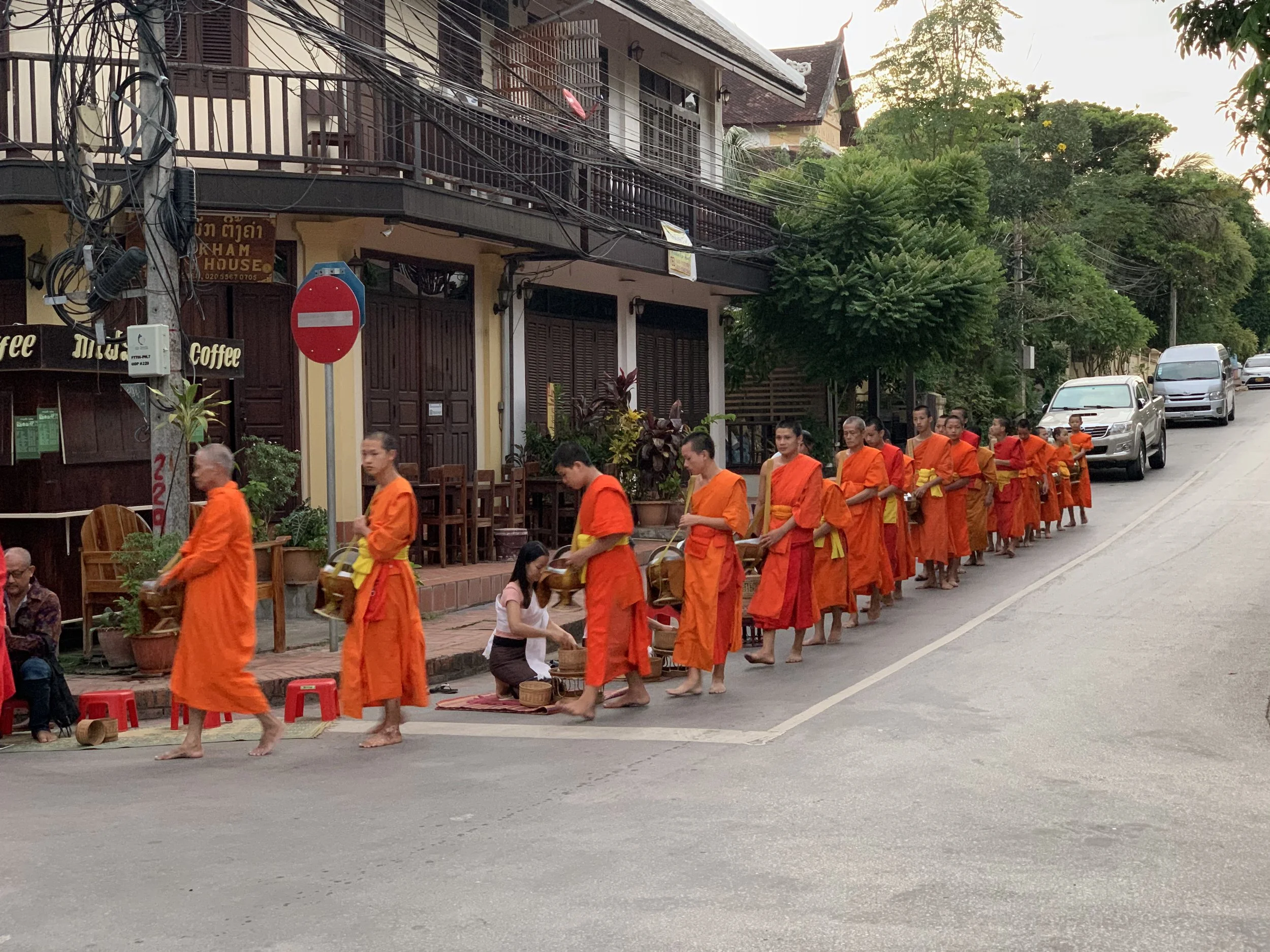
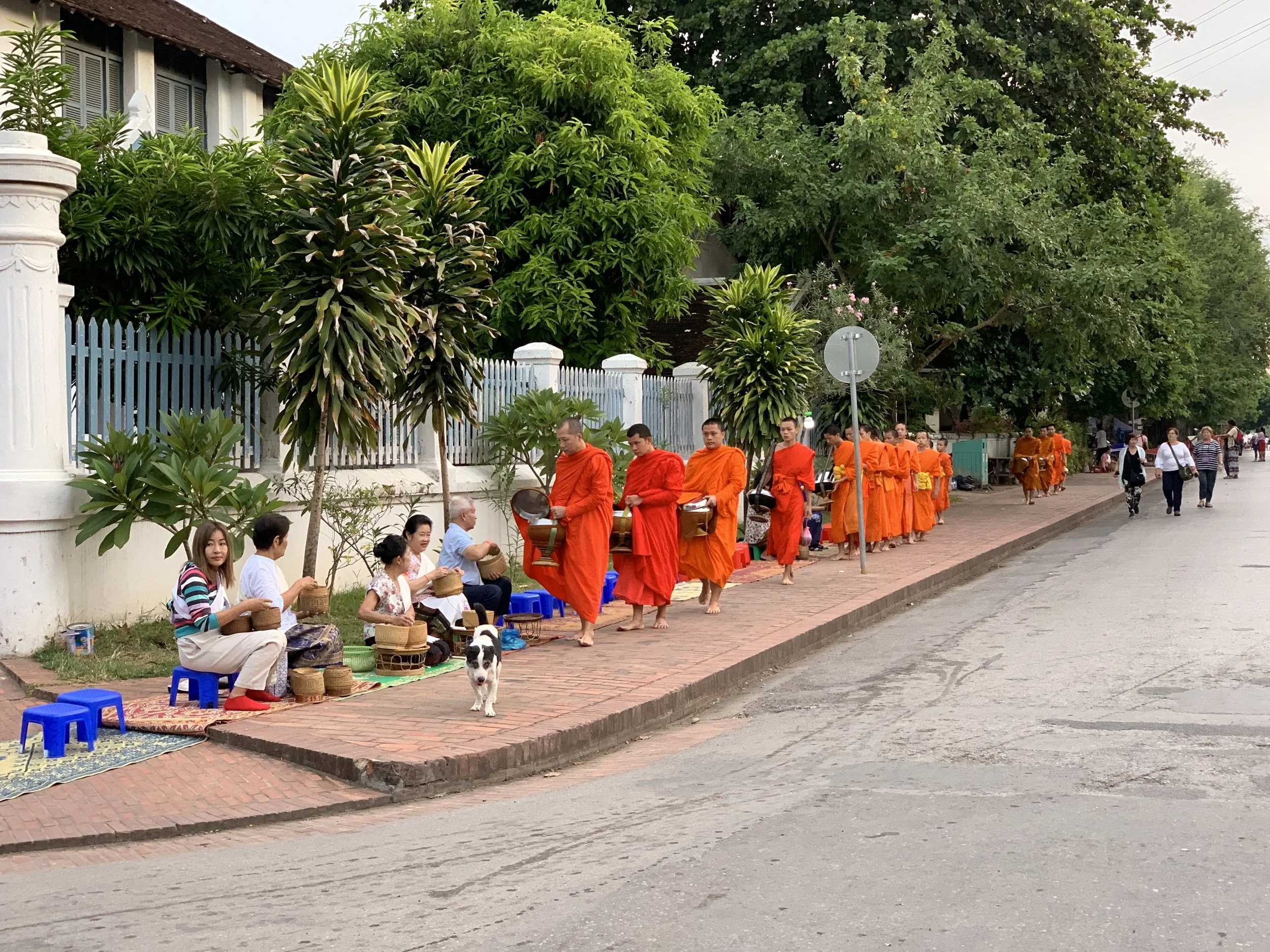
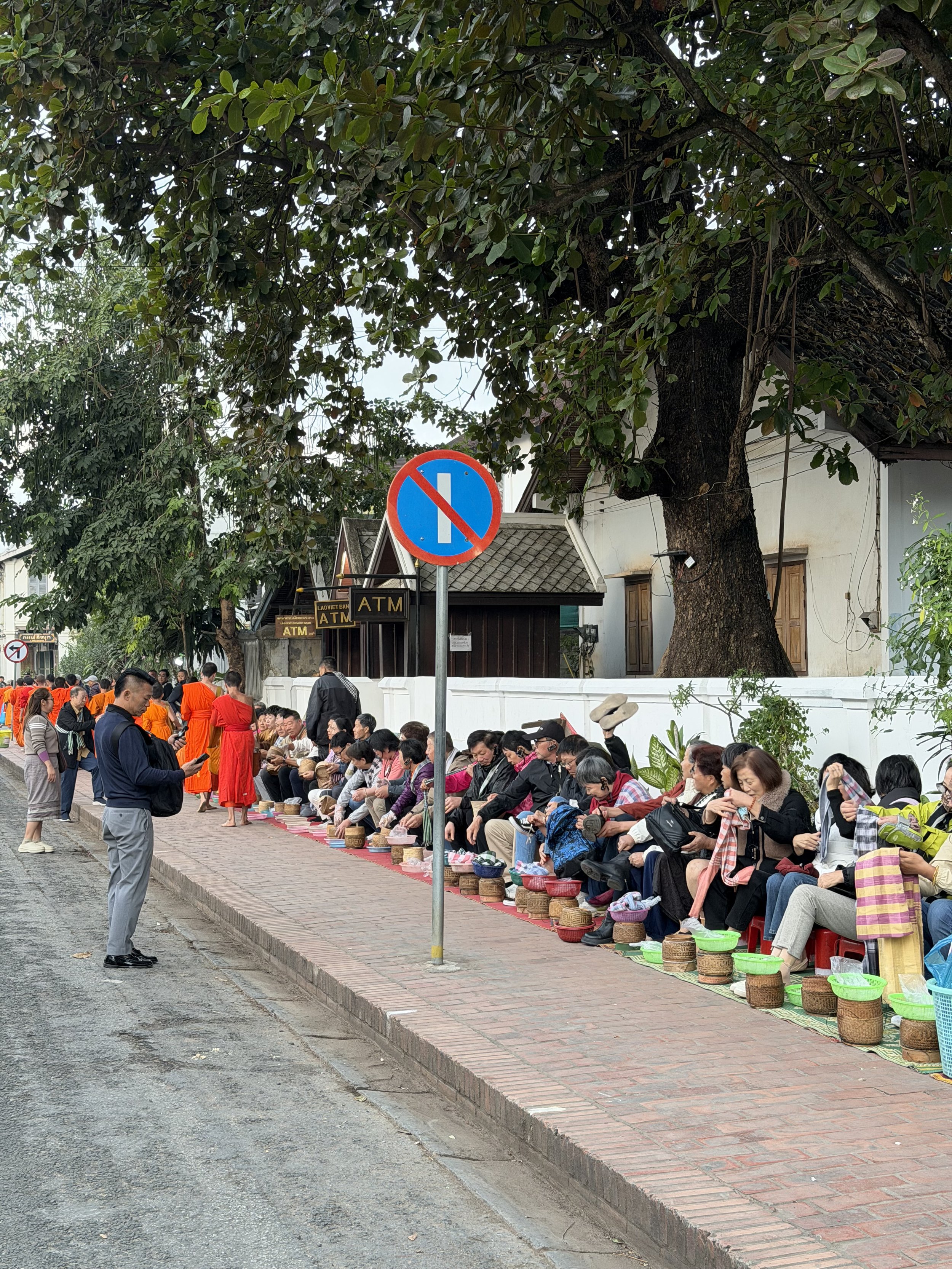
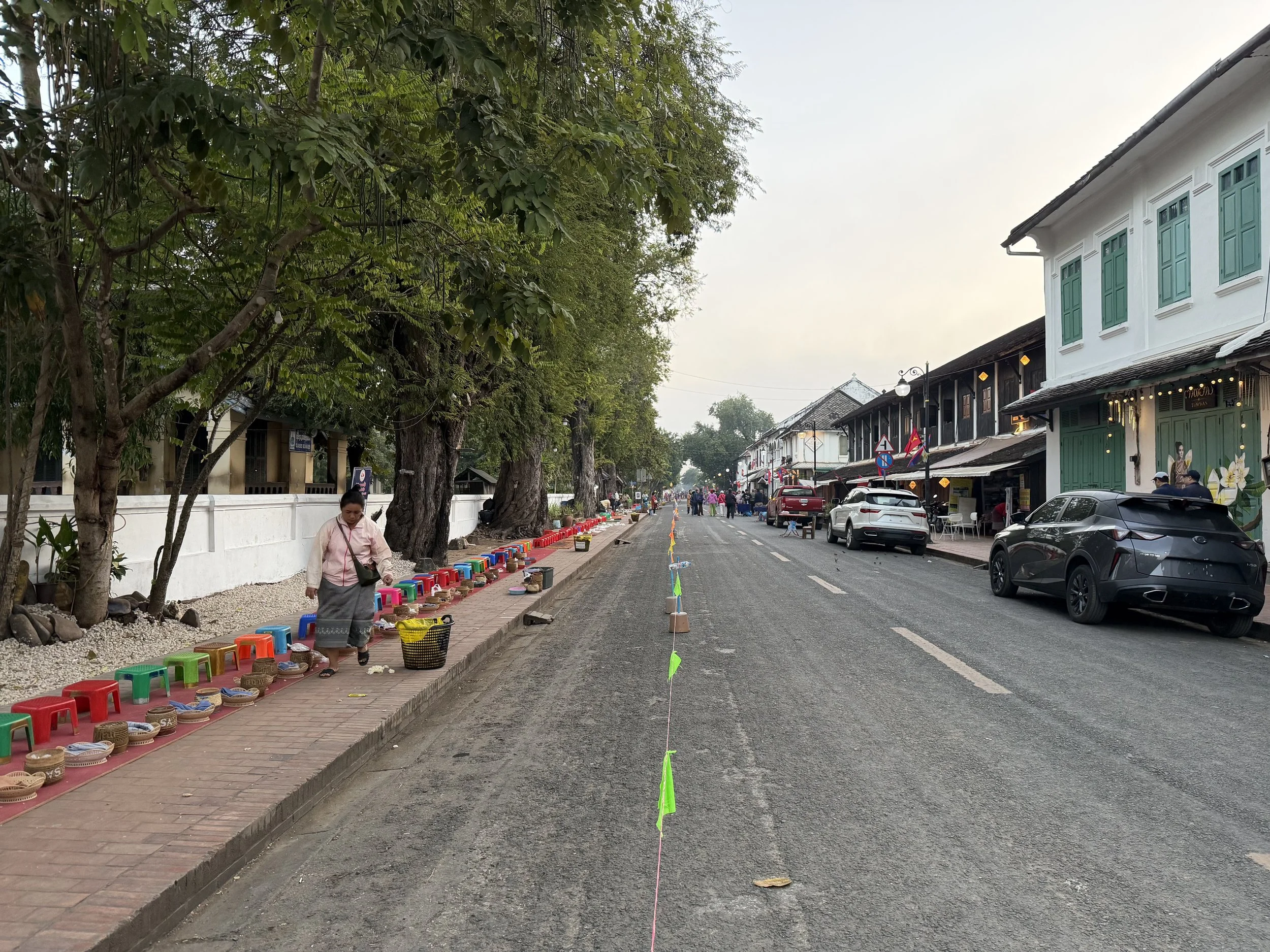
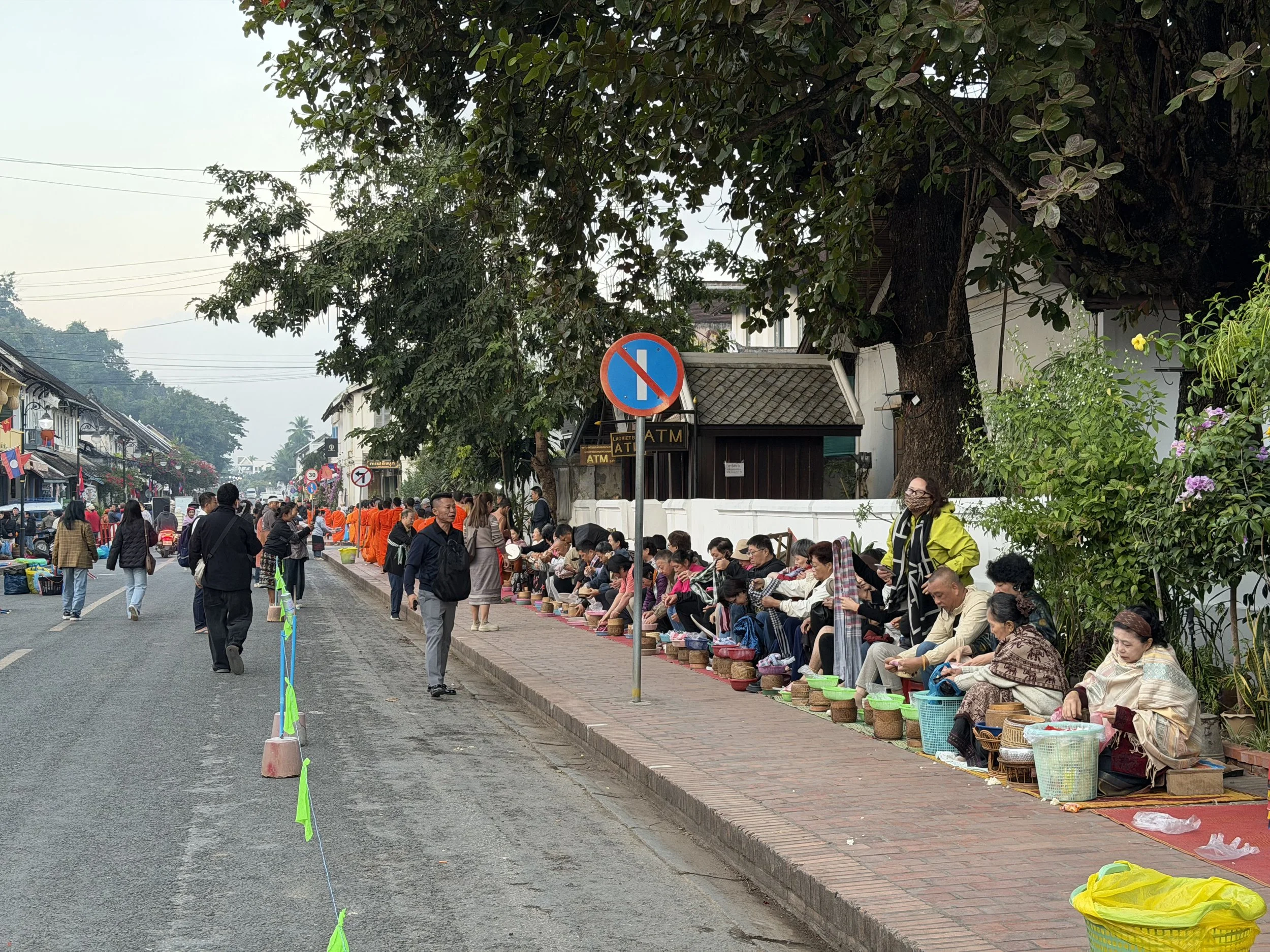
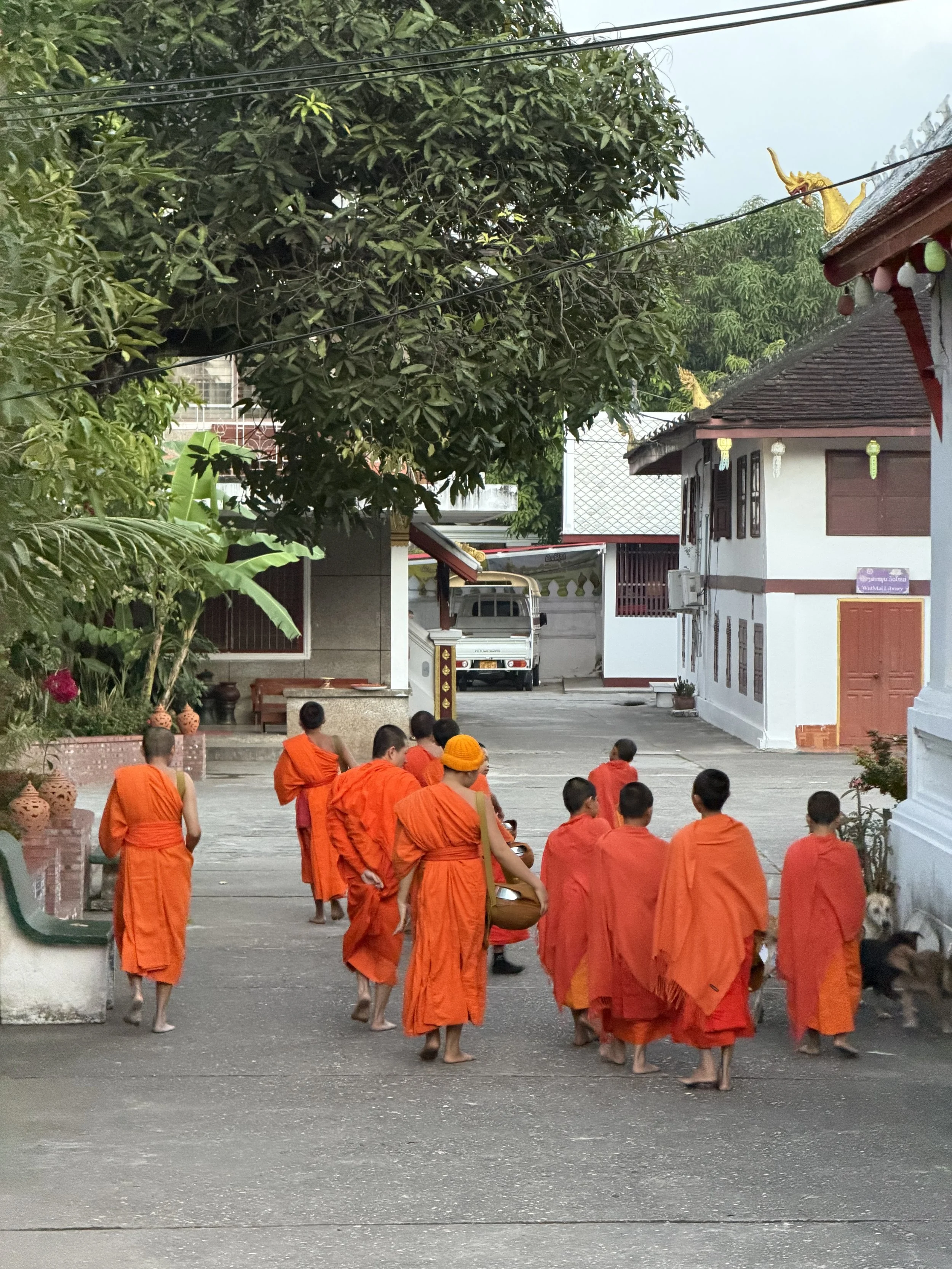
Locals used to rise up early to cook sticky rice and give the alms alongside the road near the temples. Women kneel on the floor and men seated lower than the monks as a sign of respect. The monks come in groups lined up along the street with their buckets to be filled with whatever is provided. The monks only eat two meals a day, one at sunrise and another before noon. These days, the monks are fed by wealthy families who provide food directly to the temples. The alms are collected in large bins along the almsgiving path and donated to villages. You may still see needy families with bowls out where the monks would take from their bowls to give to the needy. It is still a beautiful thing to witness, especially in the back alleys where there are fewer tourists. Please do not participate by paying for a seat and rice as that goes against the spirit of almsgiving.
There are two main loops the monks make, the one around Wat Mai and the other around Wat Pa Phai and Wat Sensoukharam and both run from 5:30 AM to 6:30 AM. The second is a bit less chaotic, and I suggest staying on the back street where the monks make the return loop. Sometimes you may still see locals participating in almsgiving here.
3 - Phusi Hill
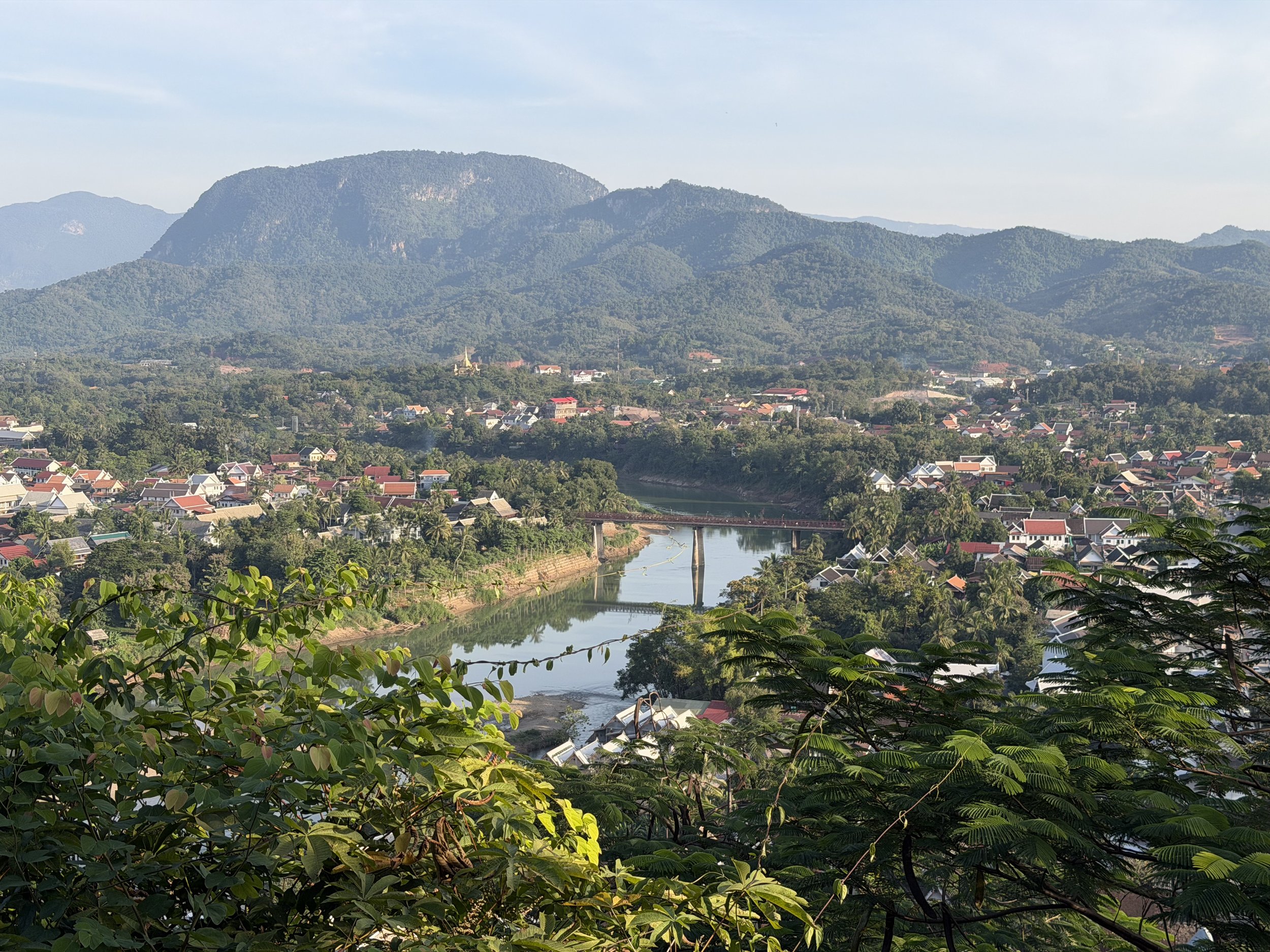
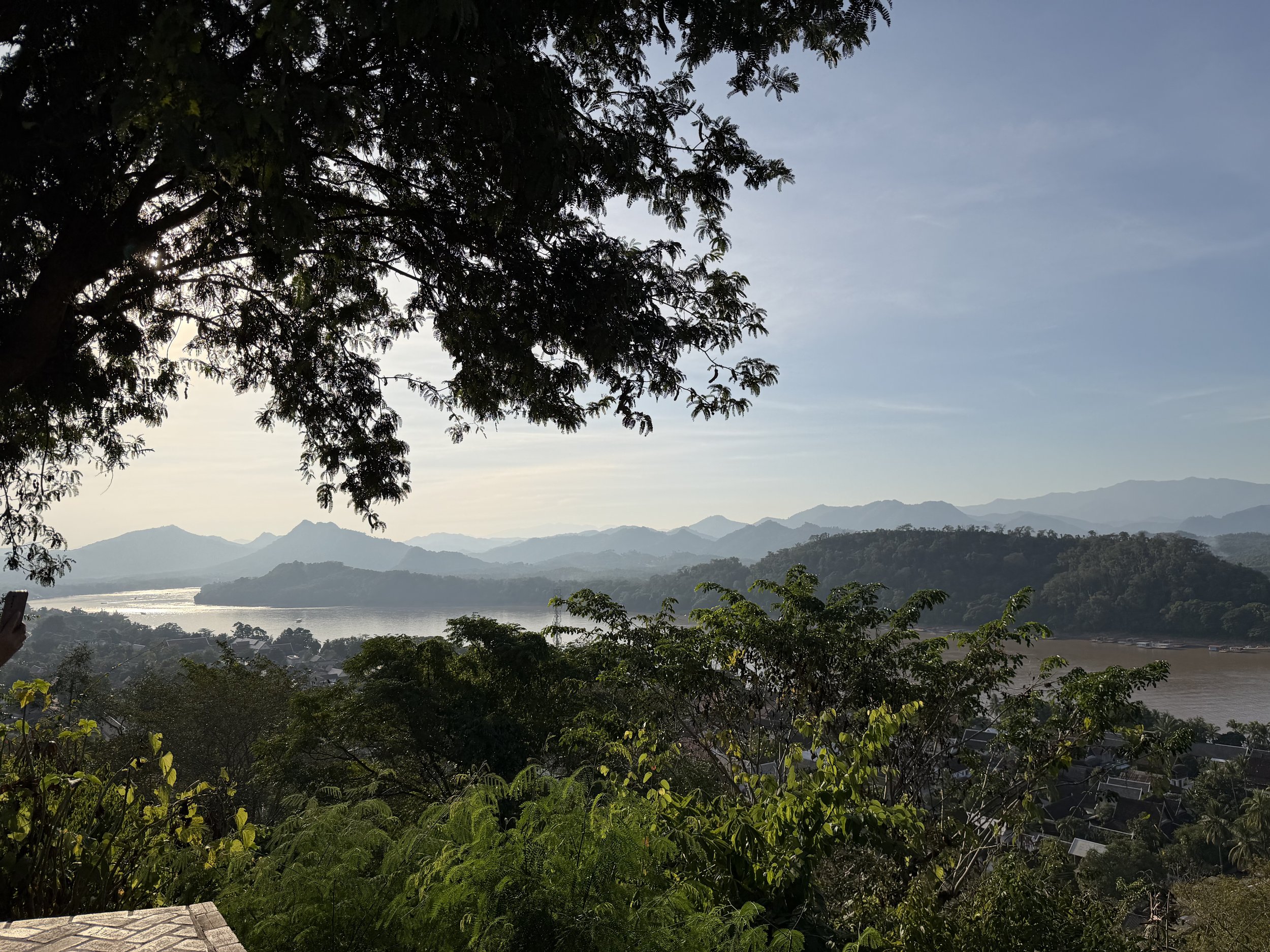
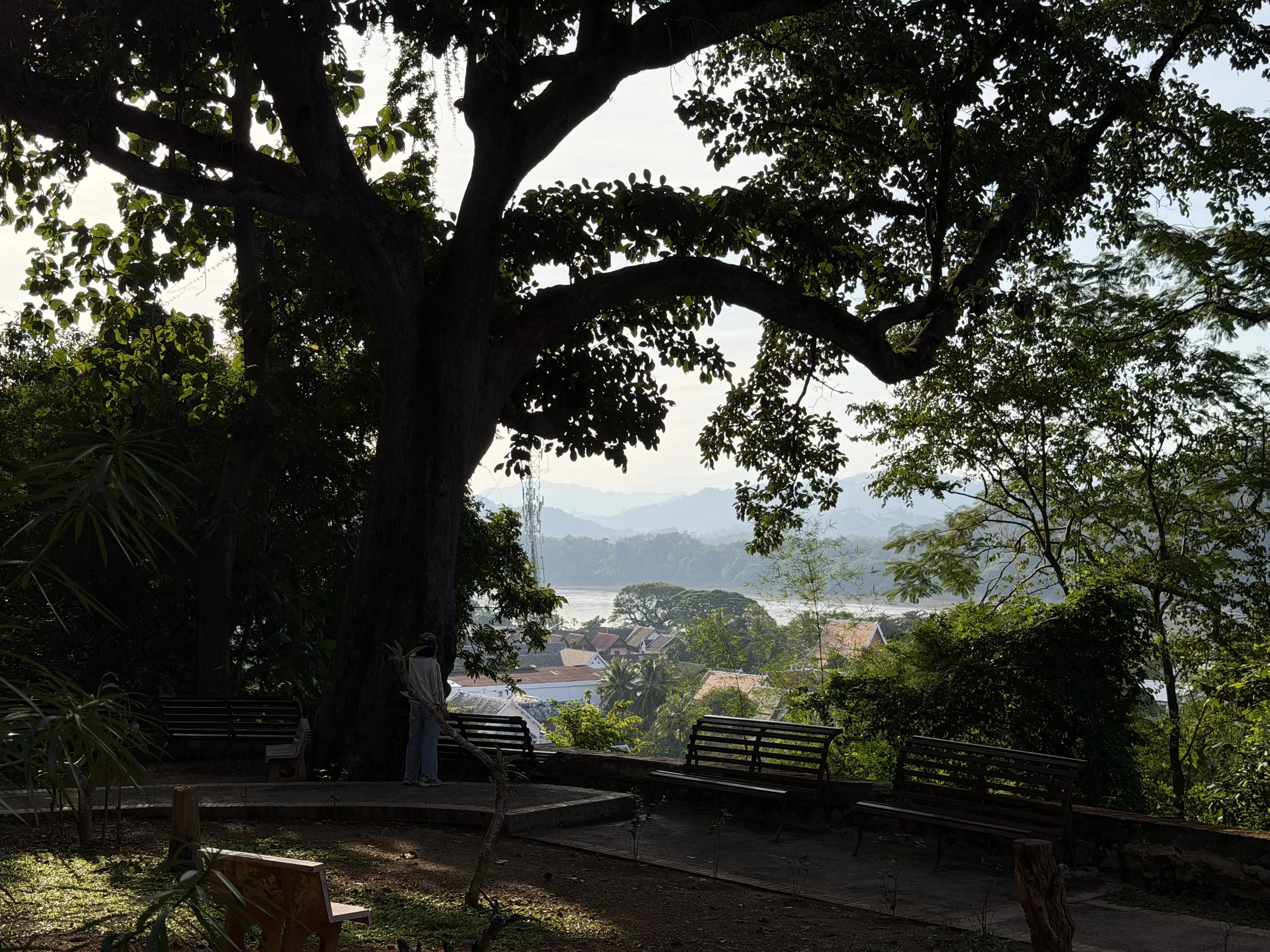
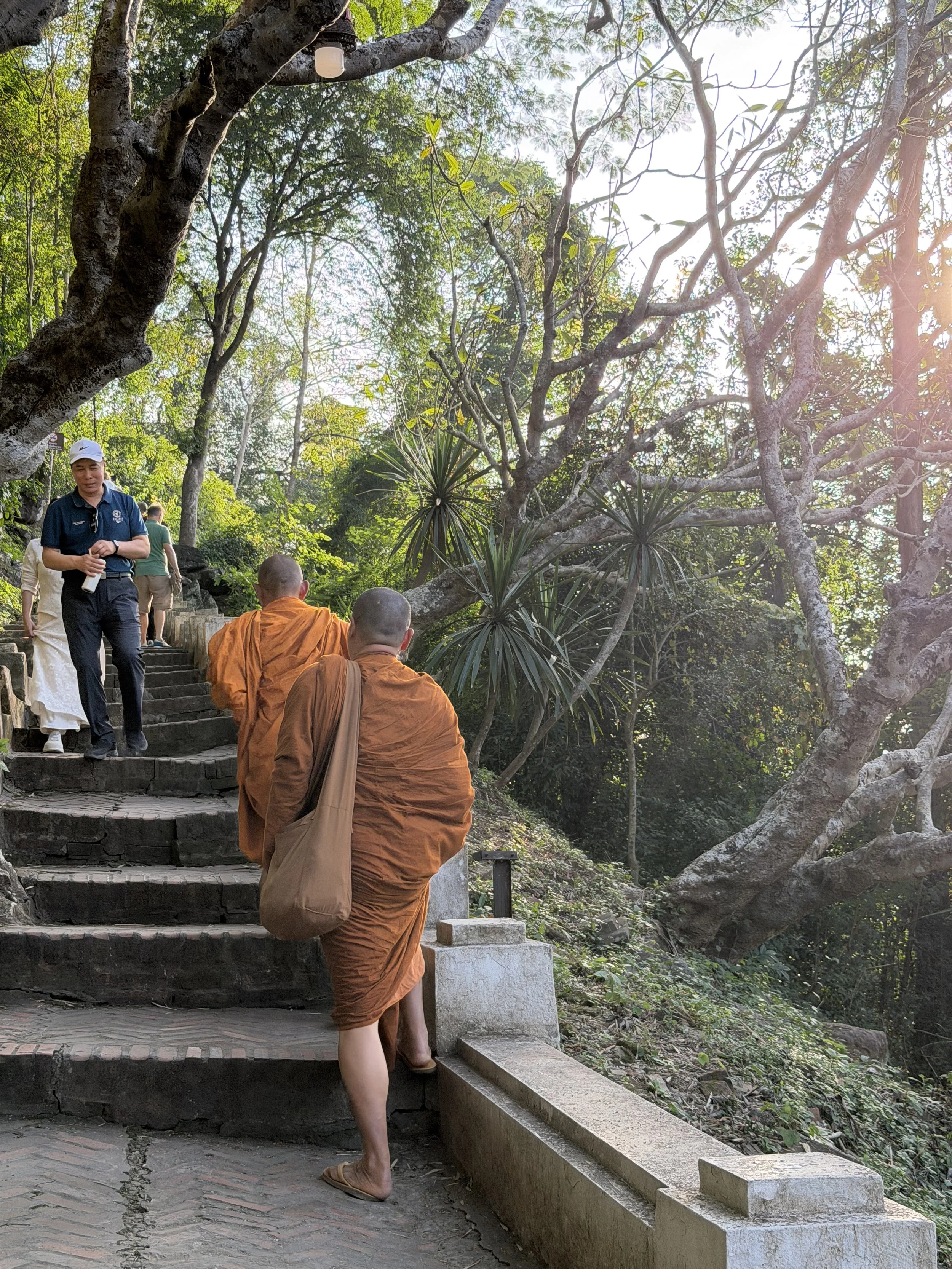
Phusi Hill is a small hill in the middle of town with a small temple and viewpoint at the top. There’s a very modest entry fee at the bottom of the hill. It is a great place to view the sunset although the tour groups are unavoidable. It’s a short 5-10 minute climb to the top where you’ll be awarded with 360 views of the entire area.
4 - Namkang Riverbanks
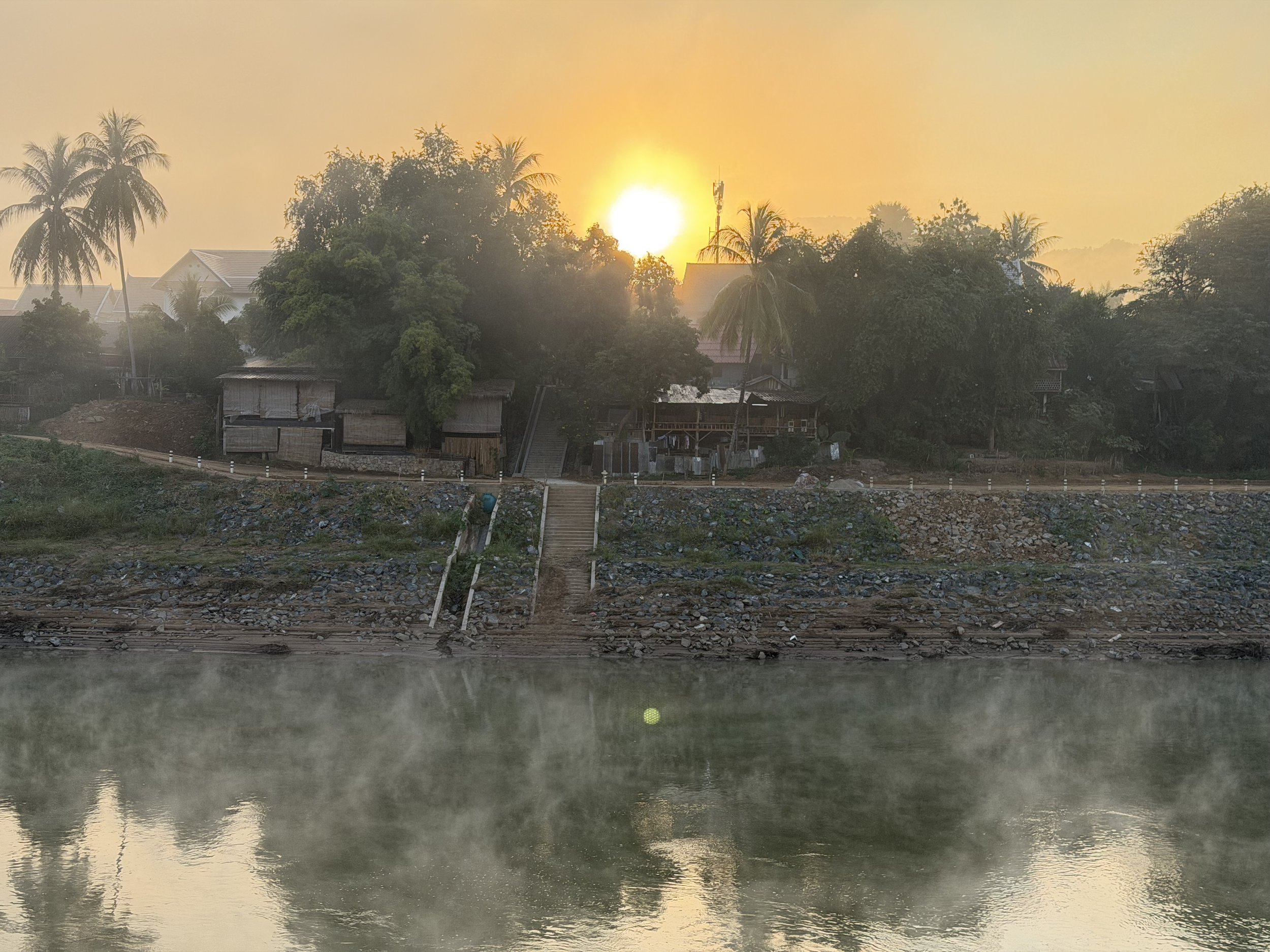
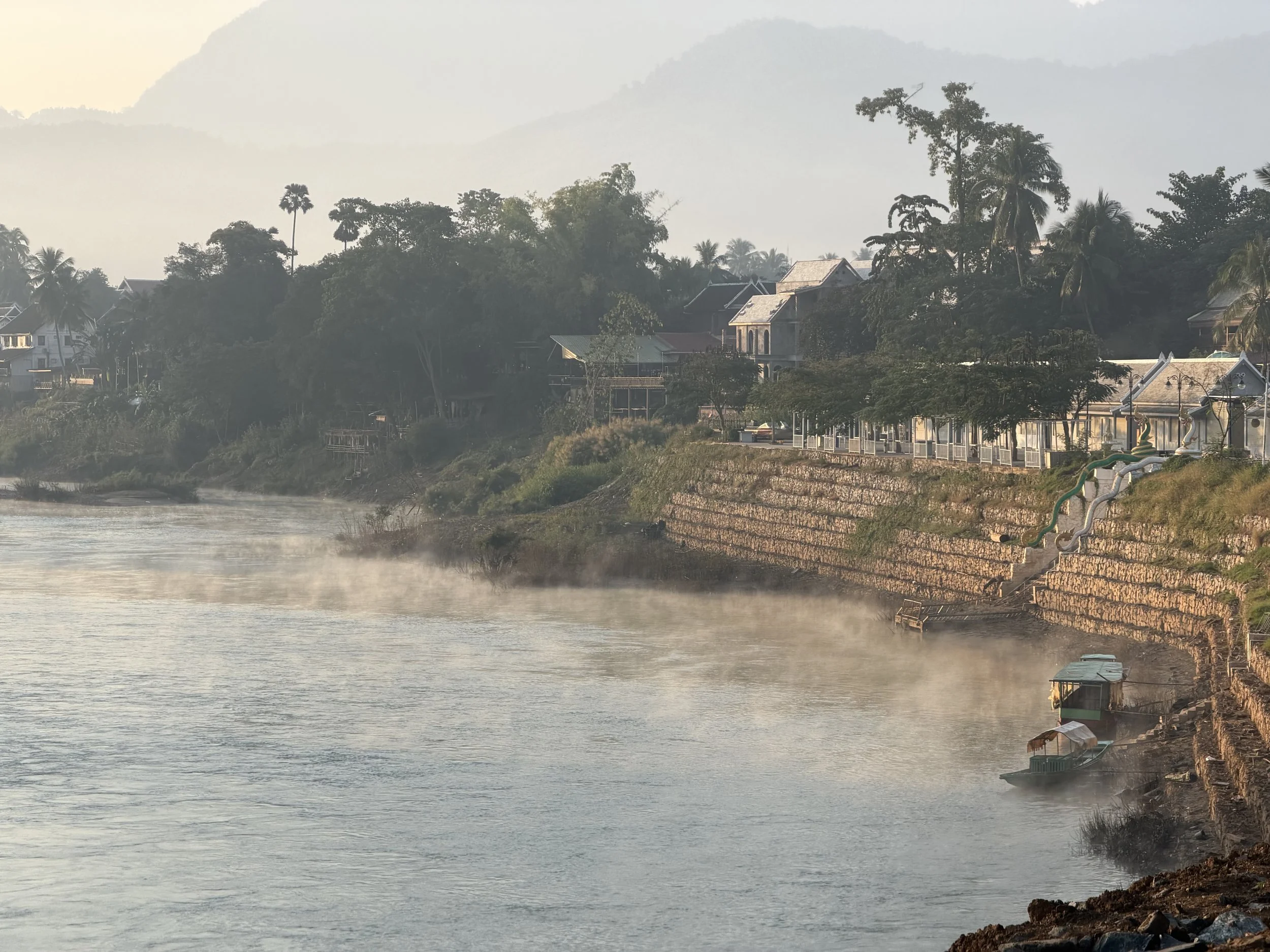
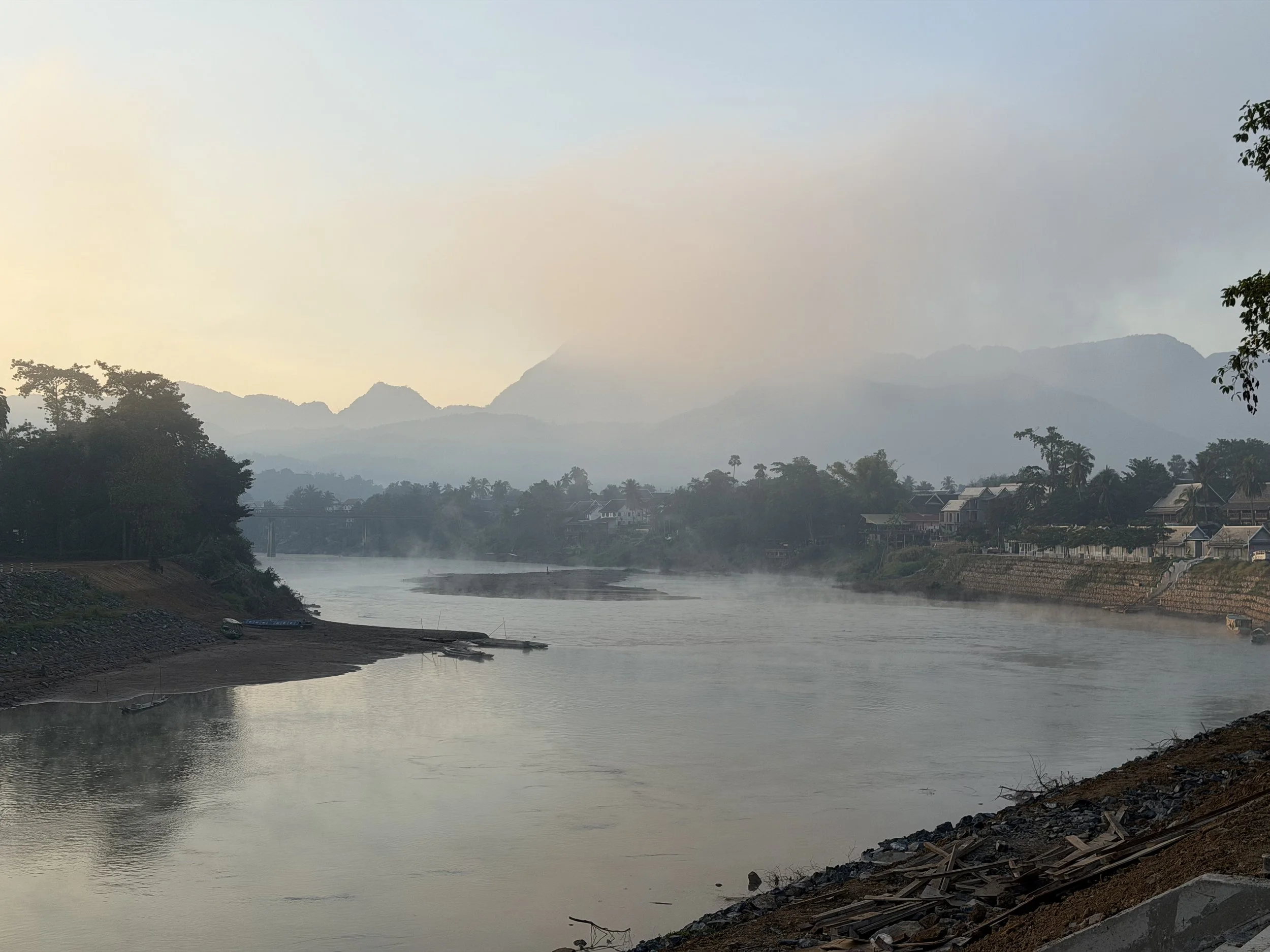
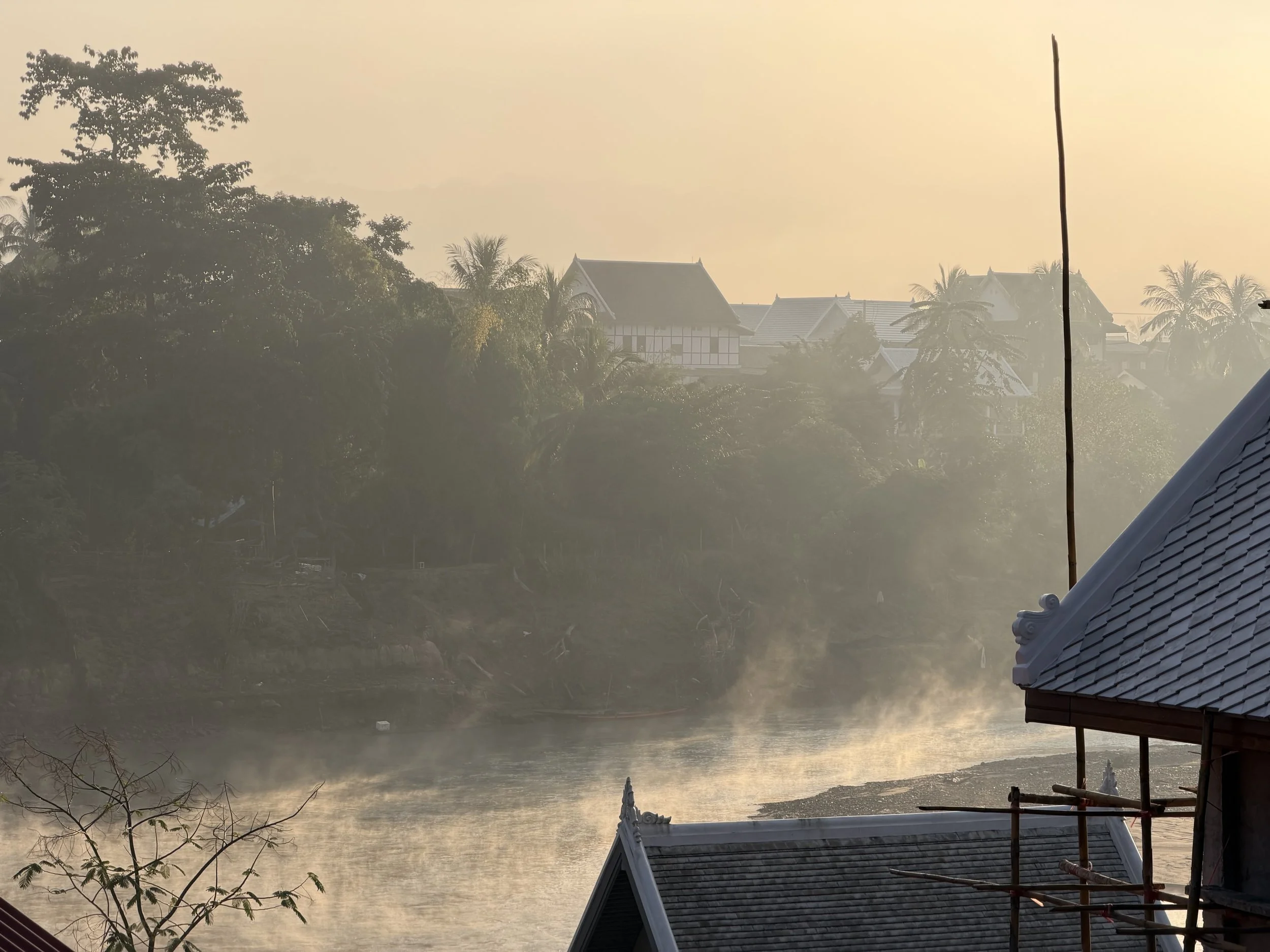
This river on the south side of town has a few cafes and restaurants right next to the river bank. They tend to be a bit more peaceful than the ones on the Mekong side where the river cruises depart. In the early mornings in the winter time, you’ll see fog floating above the river as the warm river water mixes with the cool air above.
5 - Mekong River Cruise
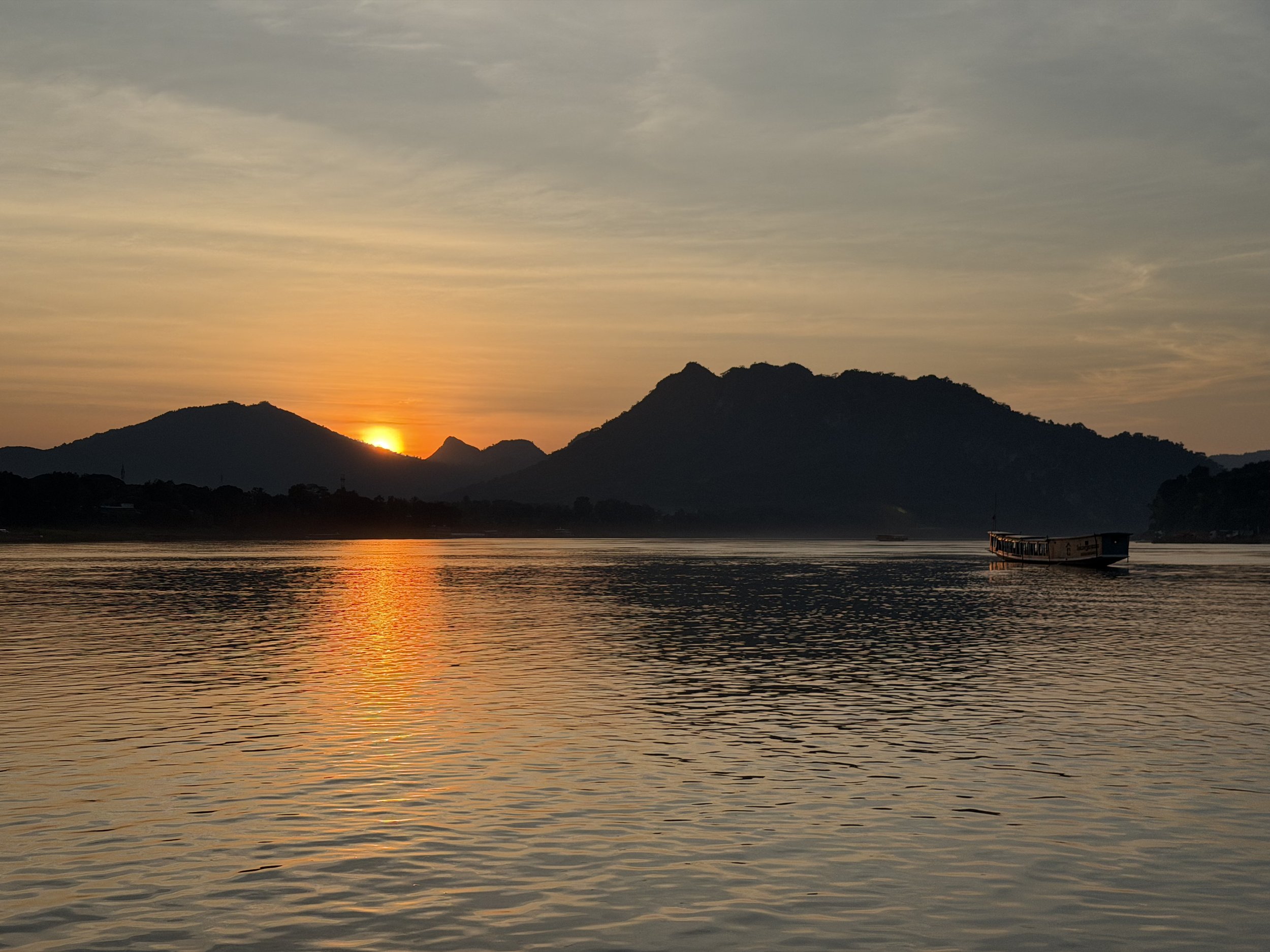
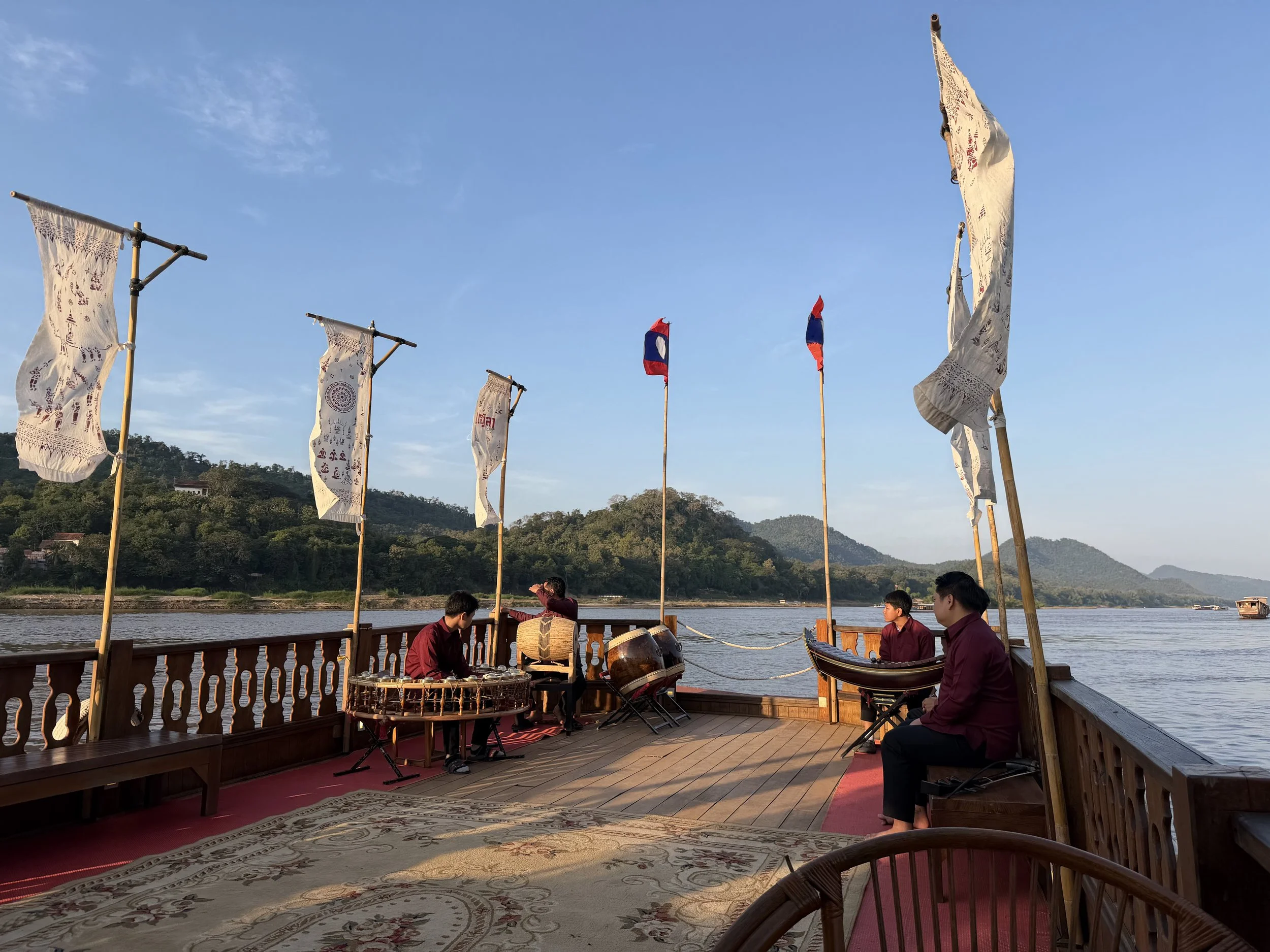
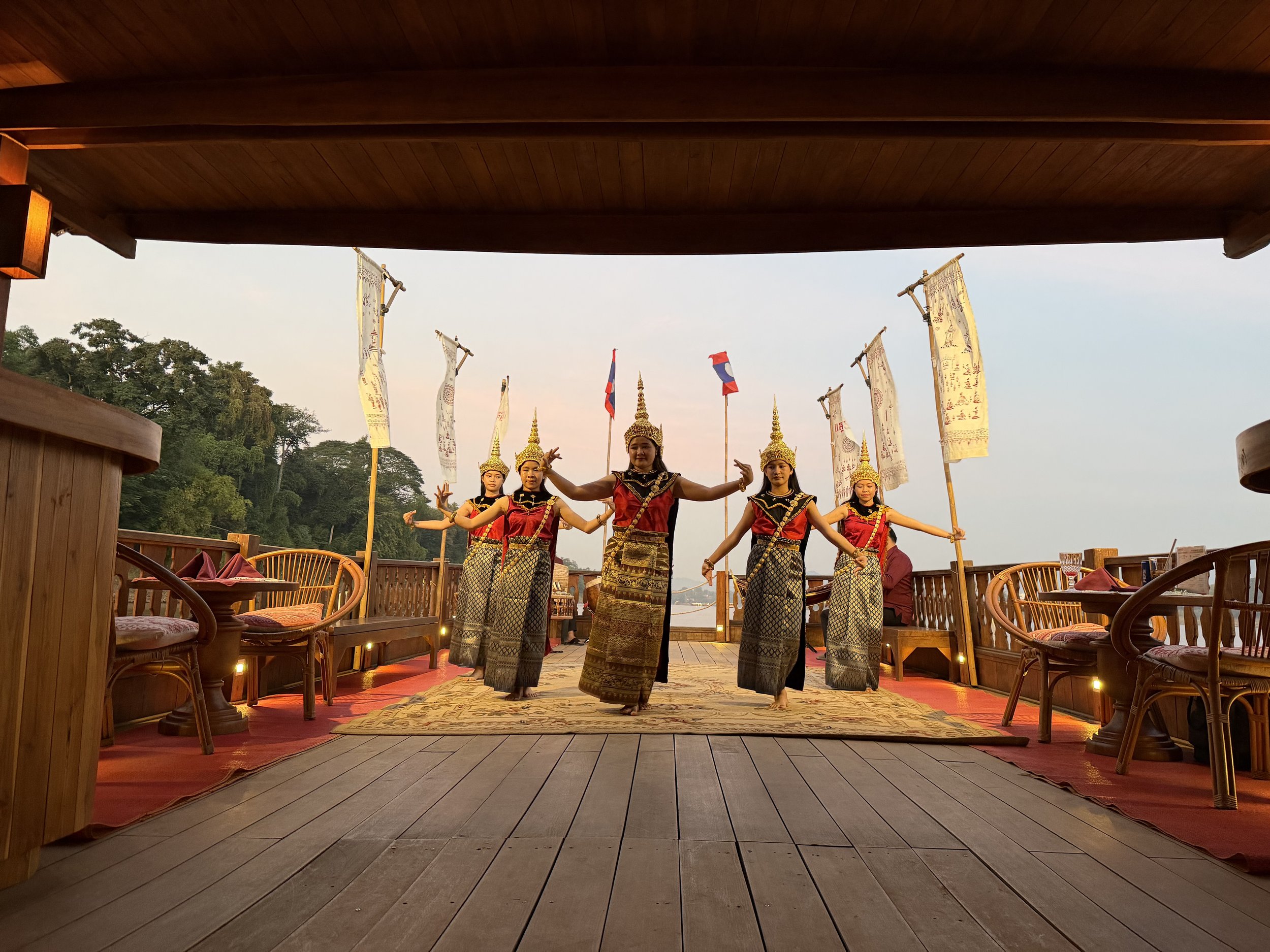
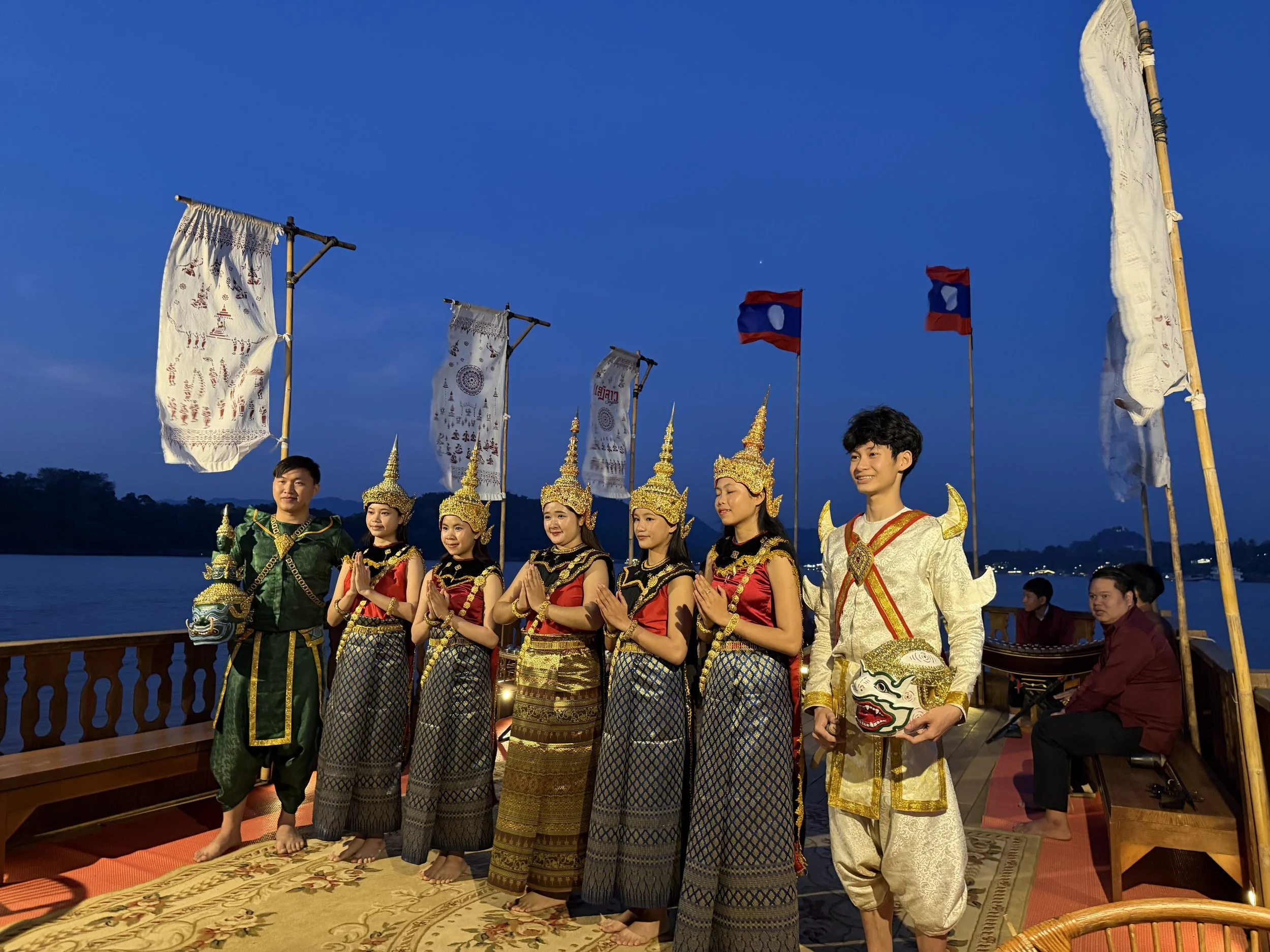
There are many different vendors along the street selling tickets but I recommend paying a bit more for a more elevated, and serene river experience. Many of the cheaper boats hang out around the dock area to save on fuel and play loud music with beer, almost like a party boat. I recommend going with Senglao Cruise as they venture a bit farther out to the edge of town to watch the sunset and there was only one other boat during my ride.
Another company down the street called Sa Sa also operates cruises and offers a cooking class with sunset cruise package that goes from 9 AM until 6 PM.
6 - Cooking Class
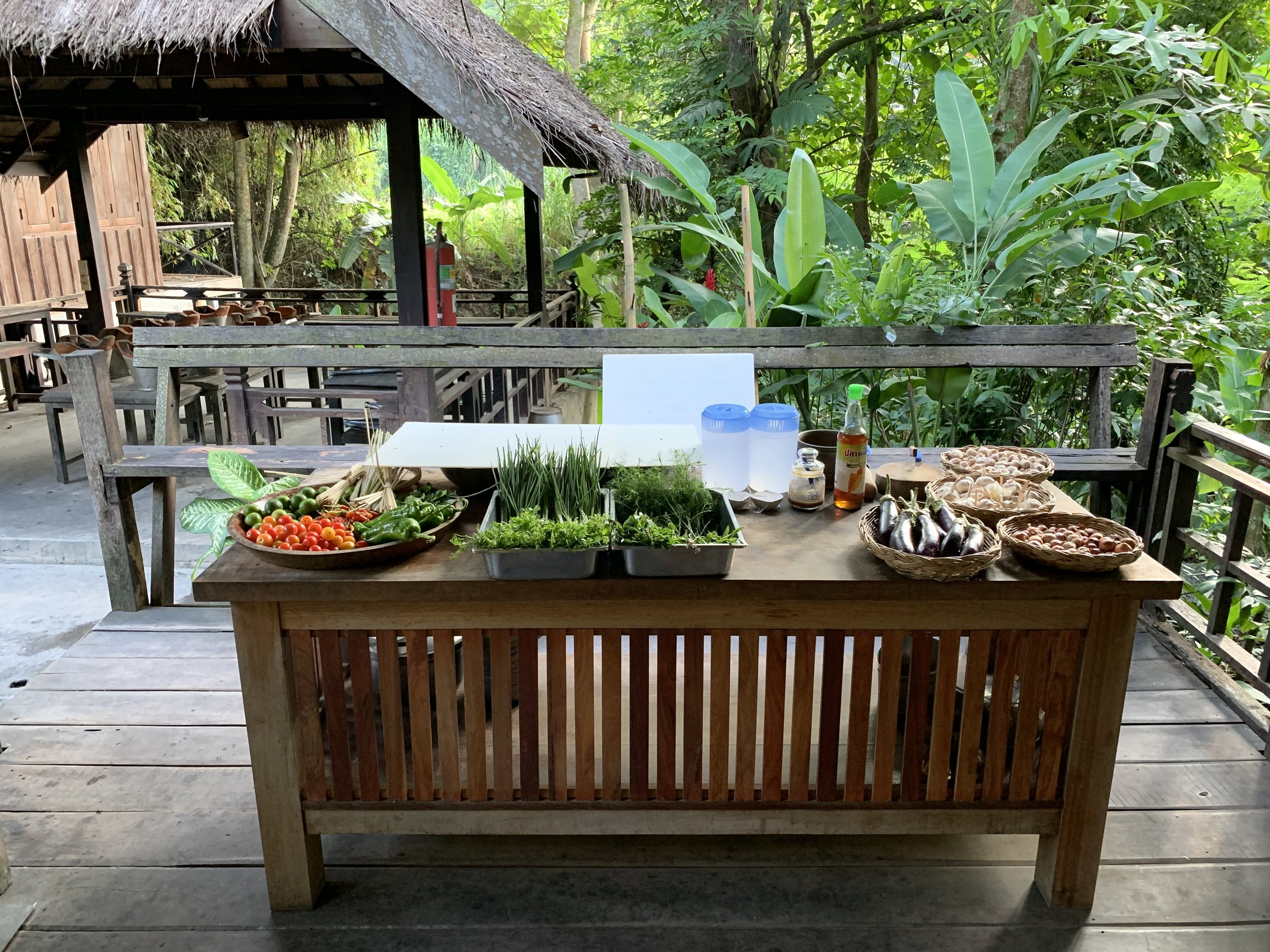
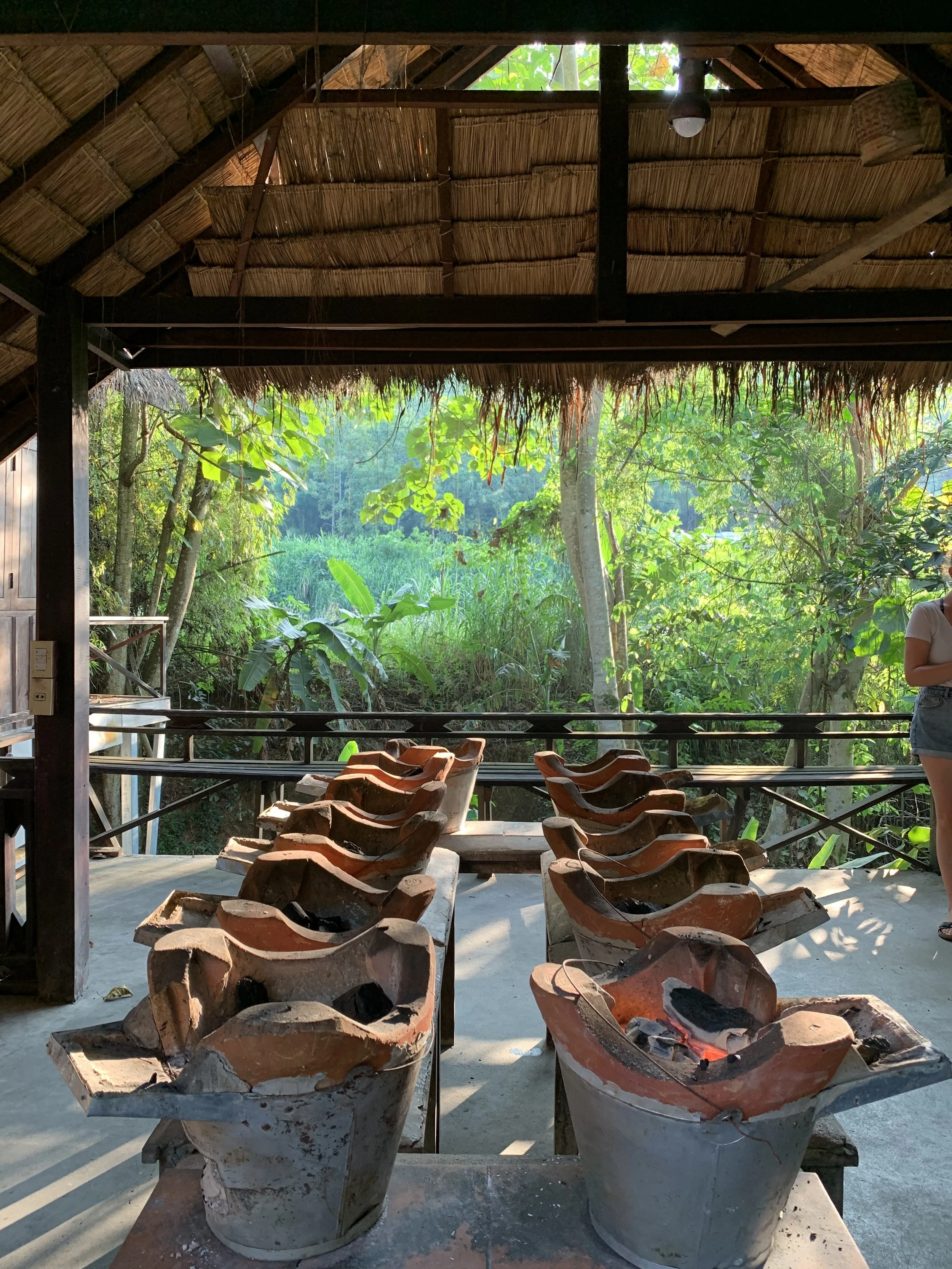
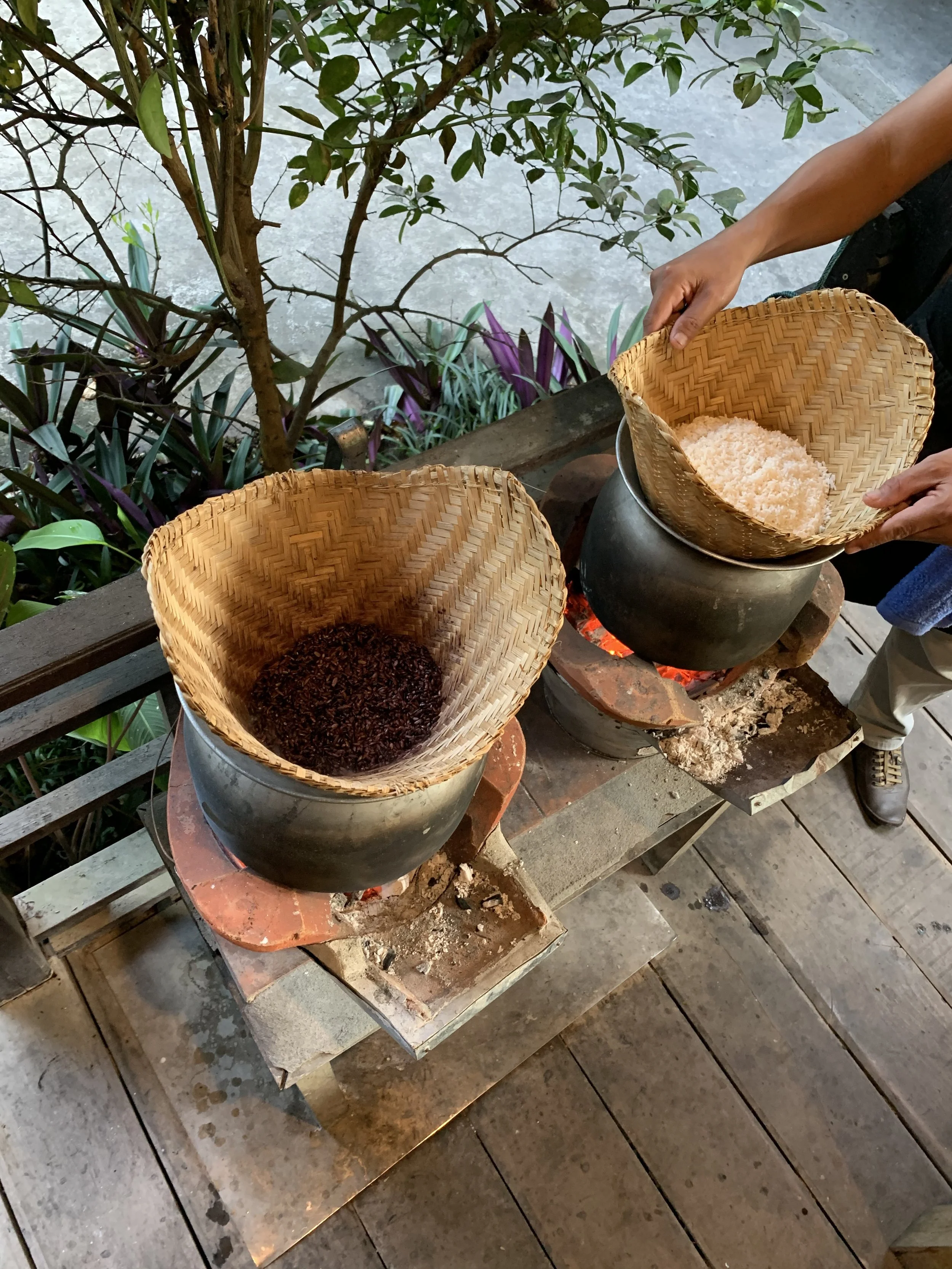
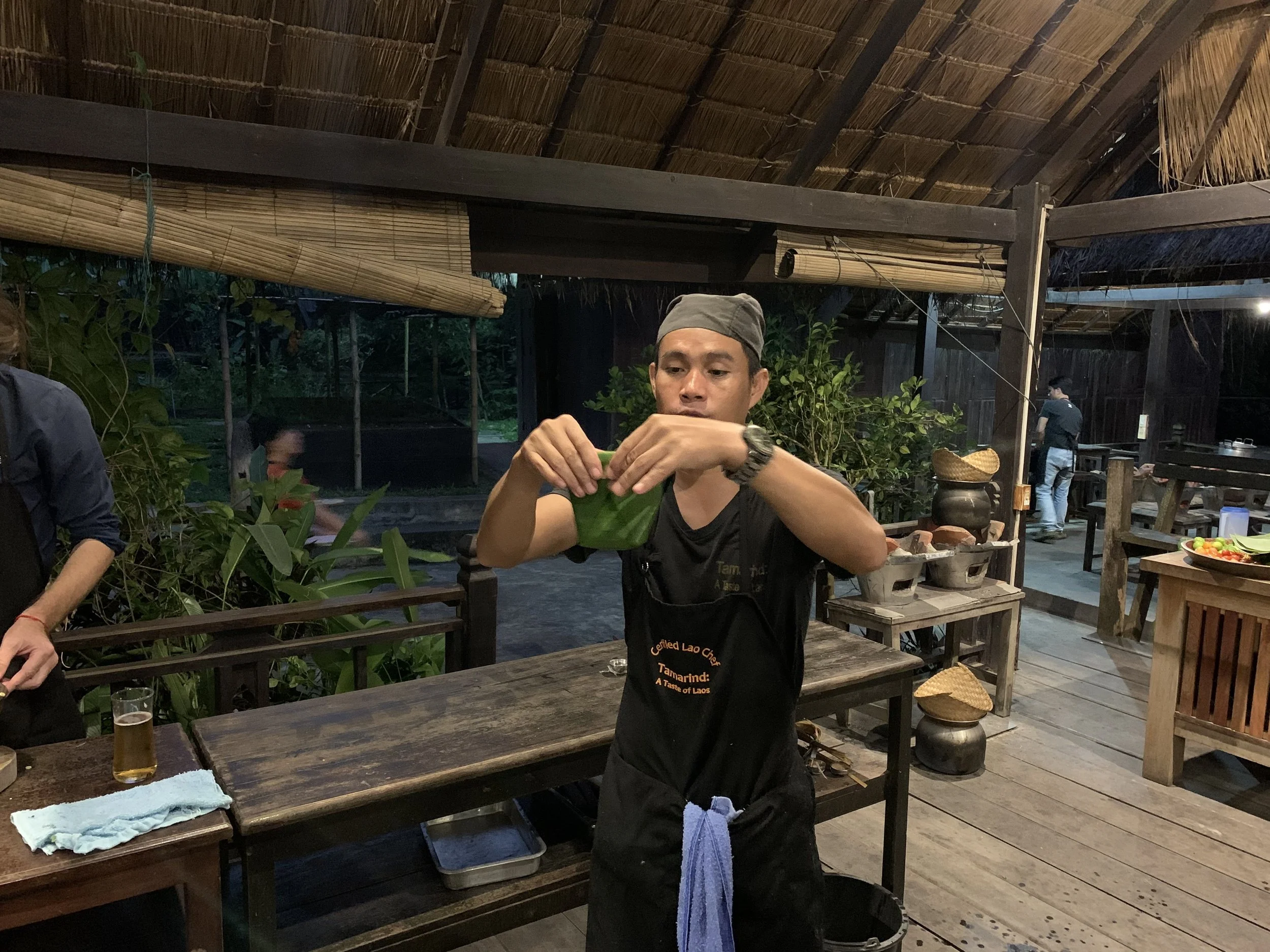
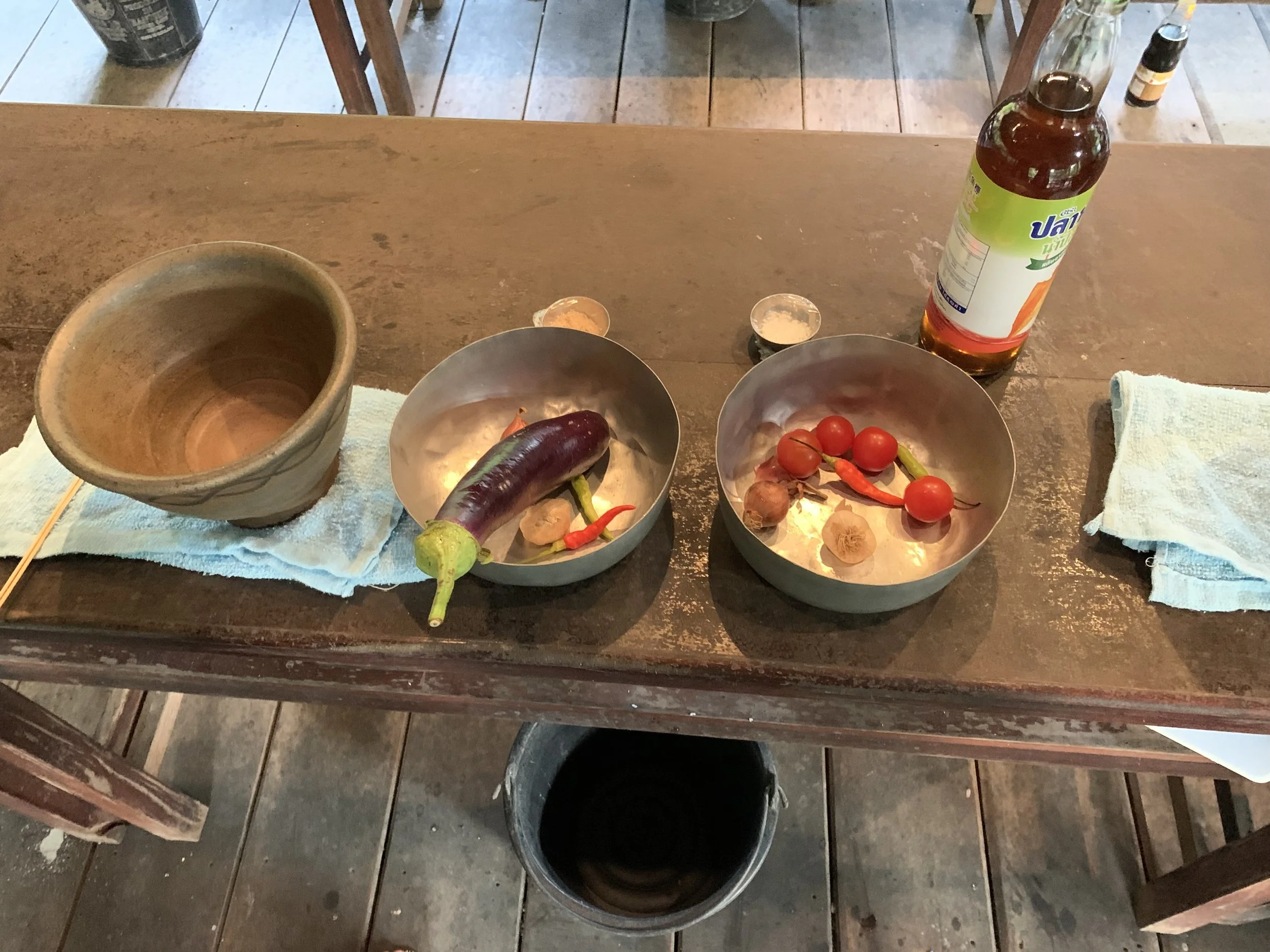
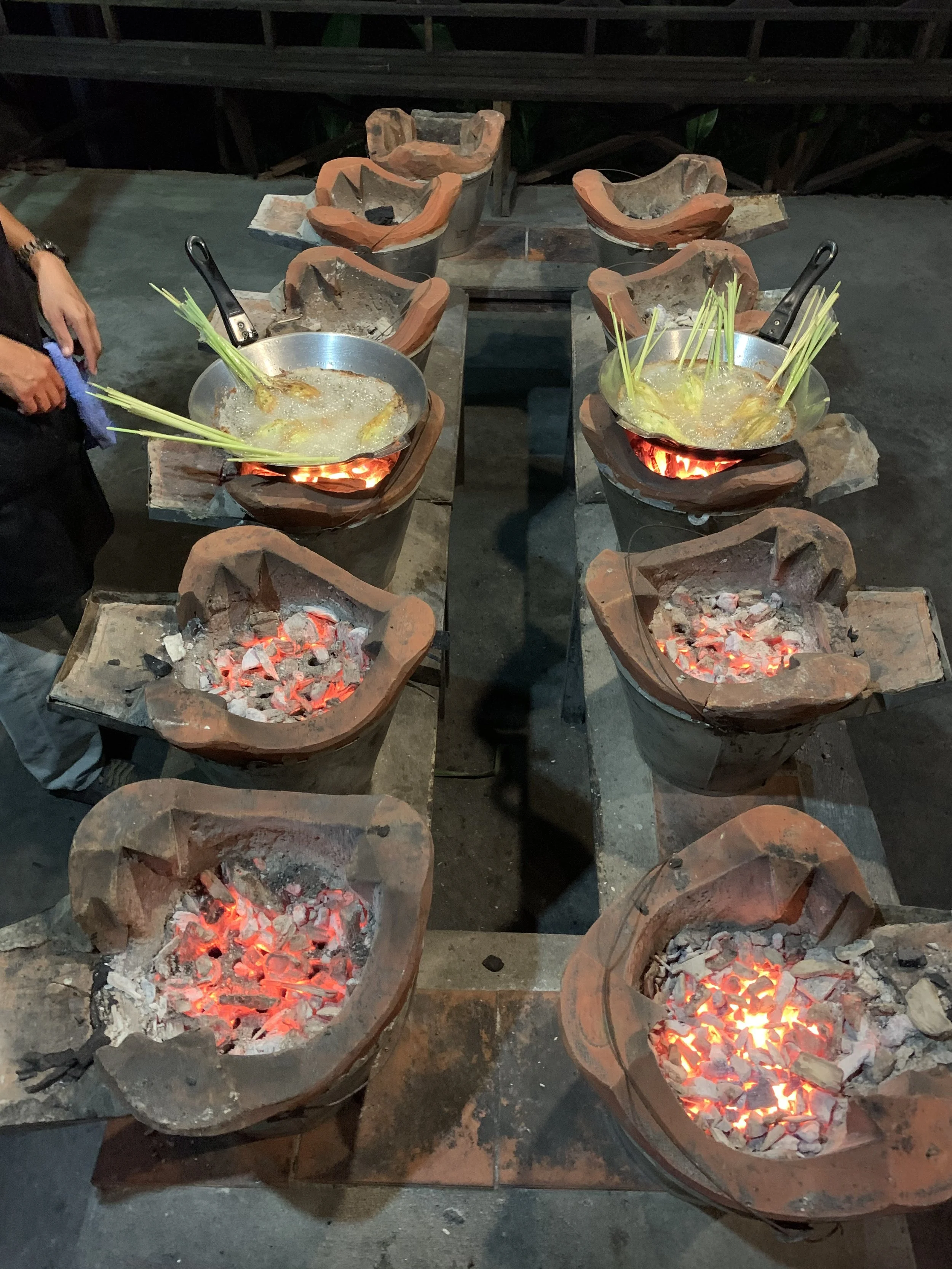
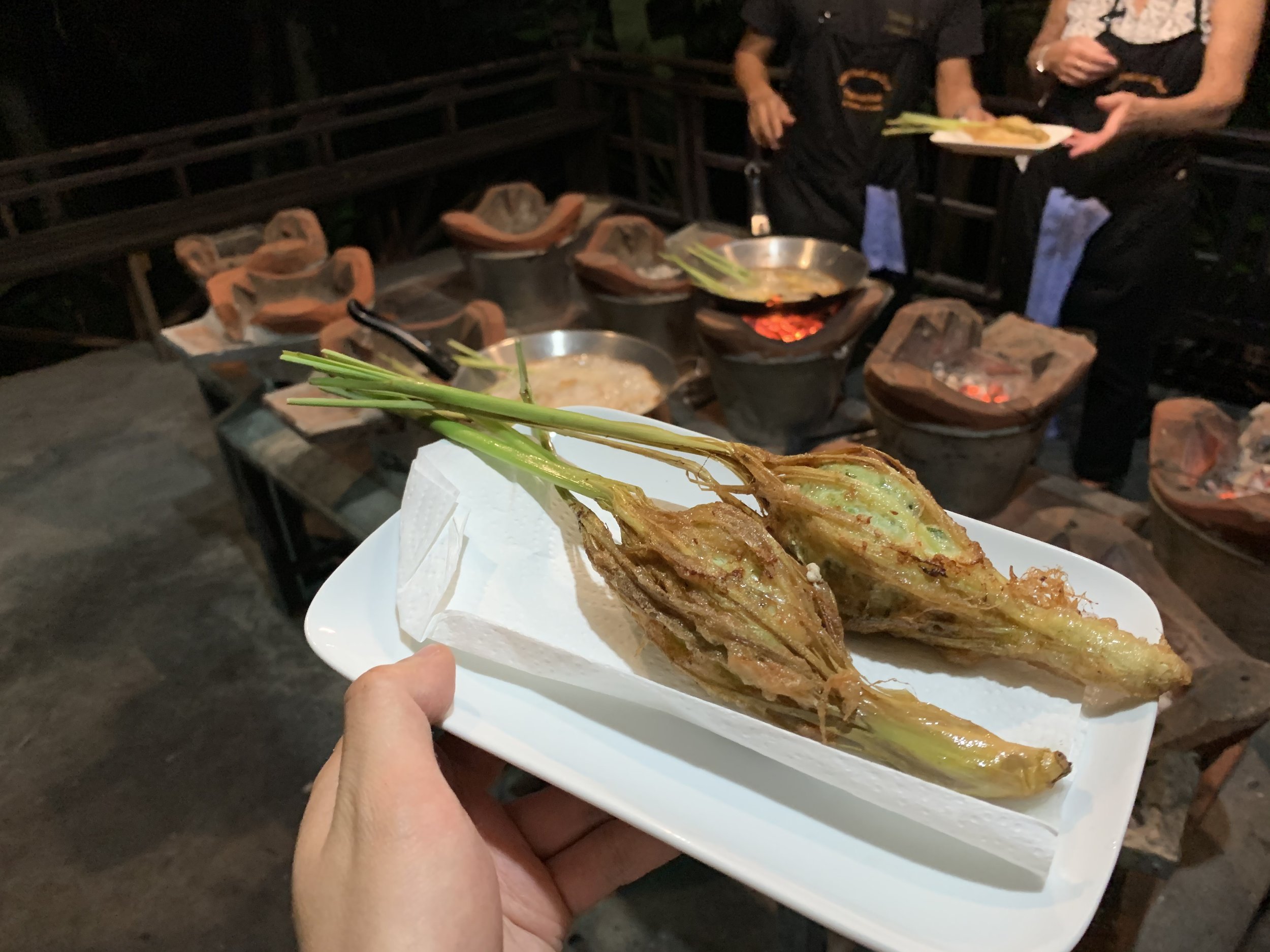
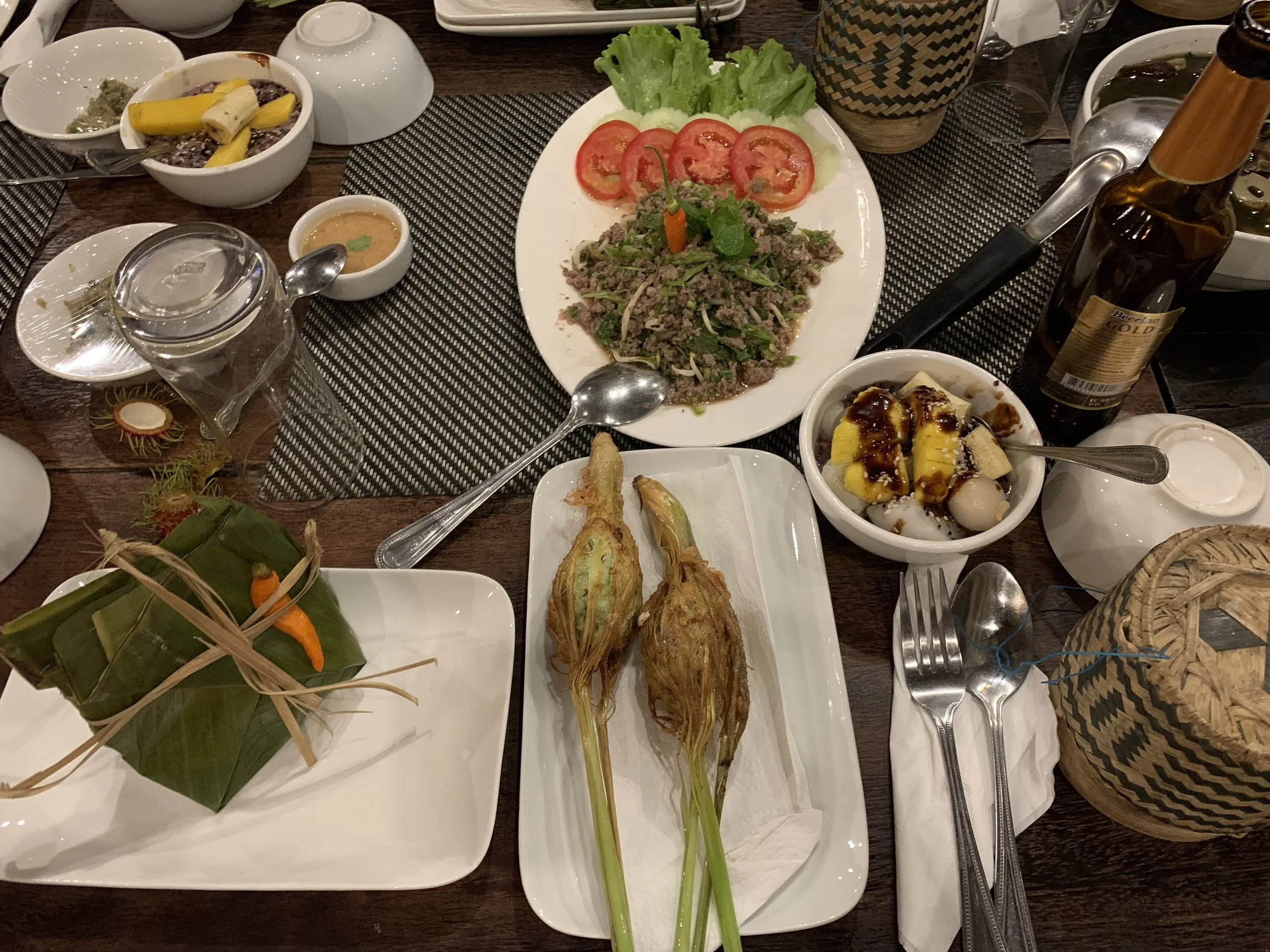
There are quite a few cooking classes for foreigners but the most well known one is run by Tamarind Restaurant, one of the best restaurants in town. The restaurant is constantly booked out for dinner and the cooking class prepares their most popular set menus. They have lunch and dinner options, as well as customized experiences for more adventurous palates too.
The restaurant next door called Bamboo Tree also offers cooking classes with a similar menu and price.
7 - Night Market
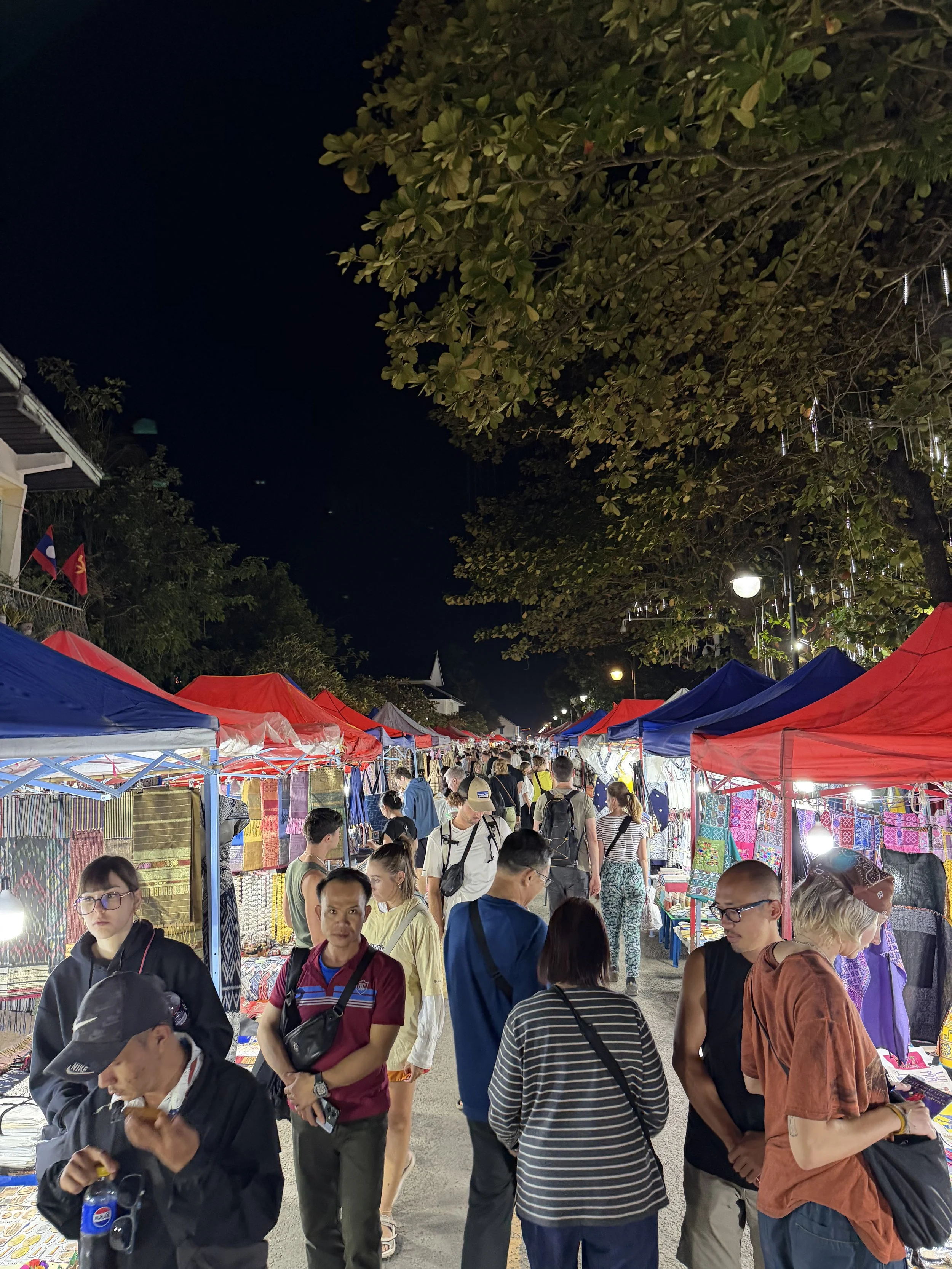
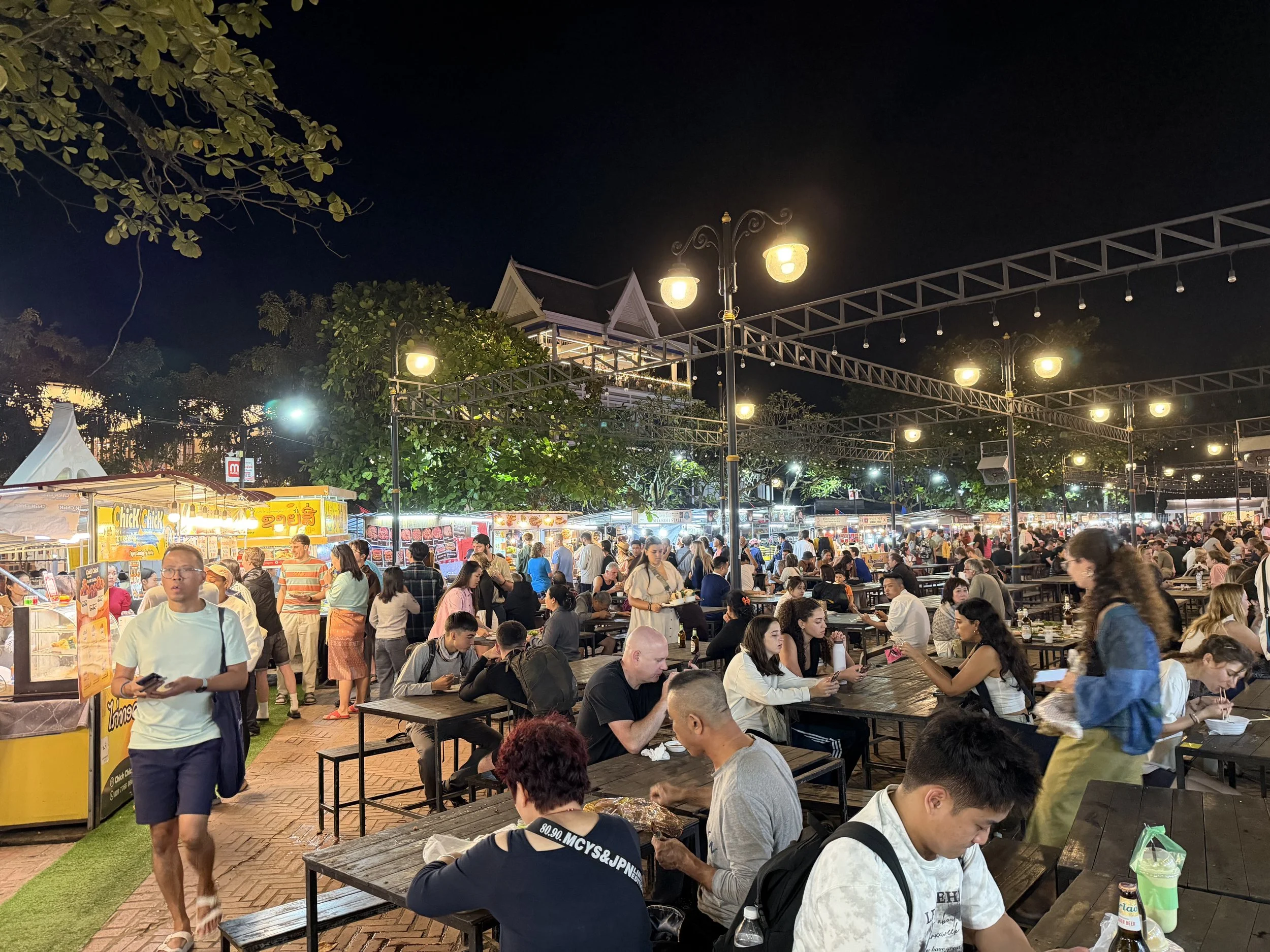
In the evenings on most days, the Main Street on the side is setup to be a night market for tourists. There are many food vendors selling a variety of dishes, and along the Main Street are a bunch of souvenir vendors. Prices are reasonably cheap and the night market is a good place to sample a variety of dishes.
8 - Rice Farm Tour
Rice is a very labor intensive crop to plant and the tour offers a way to see the rice patties throughout its many stages. In the early spring, you’ll see the reflective pools of water and small sections of rice while early summer brings lush green fields and by late summer the rice is ready to harvest.
Traditional rice has only one growing season but since the 1950s, hybrid varieties have allowed the same fields to have 2-3 growing seasons to produce more rice on the same land. Chances are, you will probably visit during the harvest season end of the year or planting season early in the year.
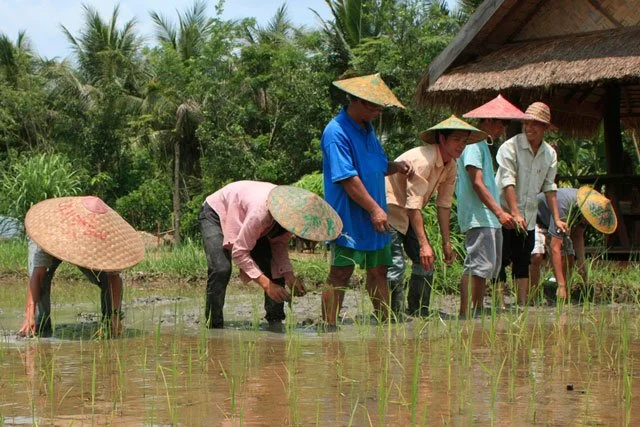
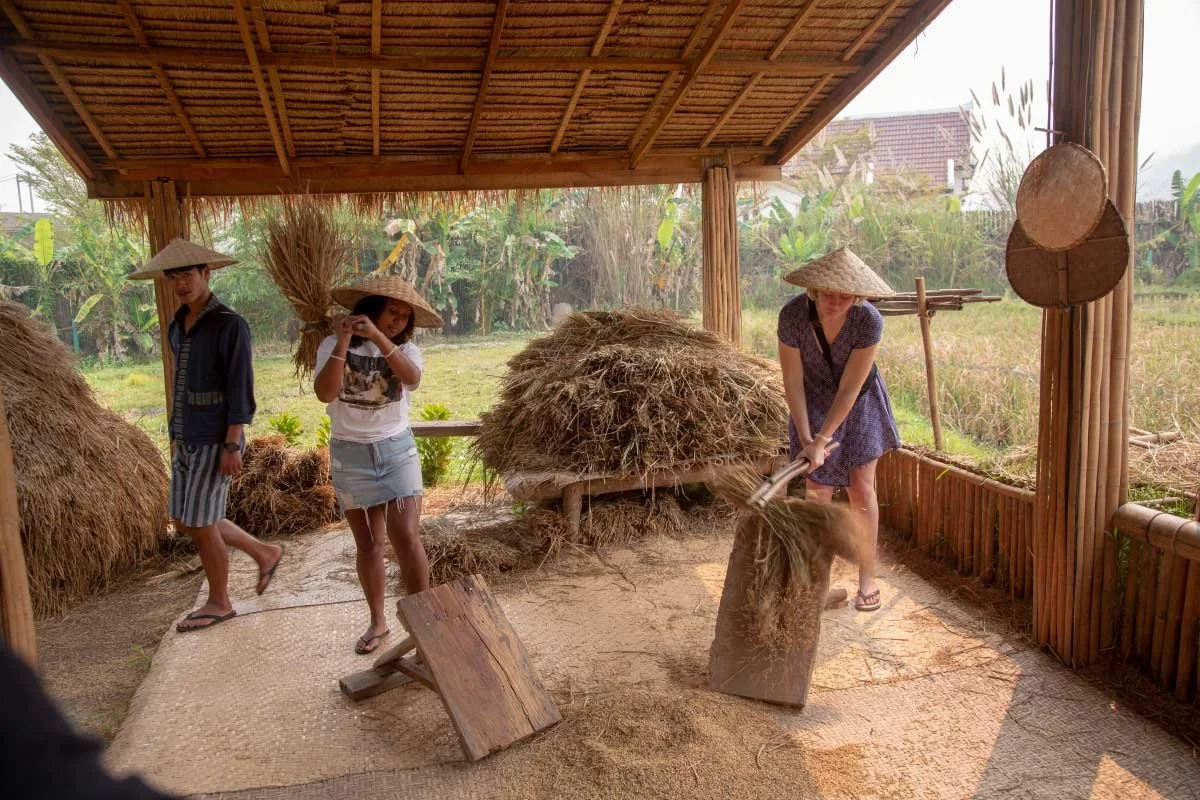
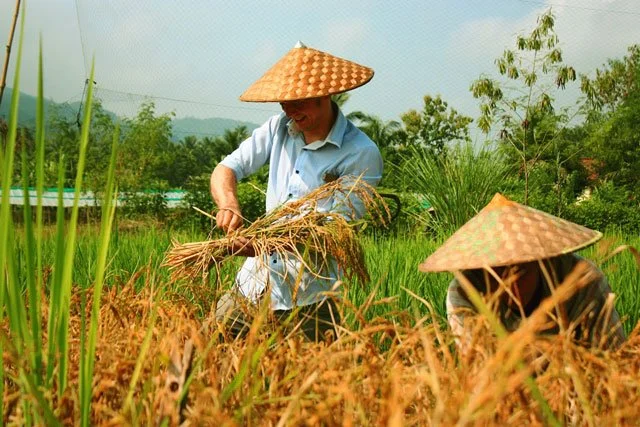
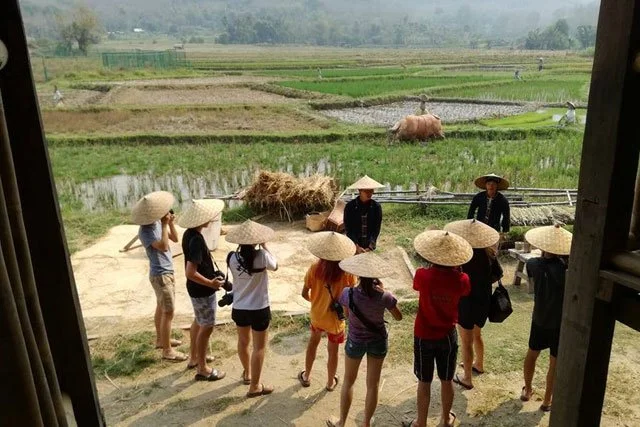
Living Land offers a tour package where you get to plant some rice yourself and sample many of the rice based treats during the optional lunch as well. It is hard to come across a rice farm tour in Asia so I recommend doing this one if you’ve never done it.
9 - Coffee Farm Tour
Laos is an up and coming coffee production region where the weather is very suitable for growing coffee. Farmers looking for higher income are switching to coffee from tea since they share similar needs for climate. It is a labor intensive crop that is comparable to wine in terms of weather, terroir, and complexity of processing methods.
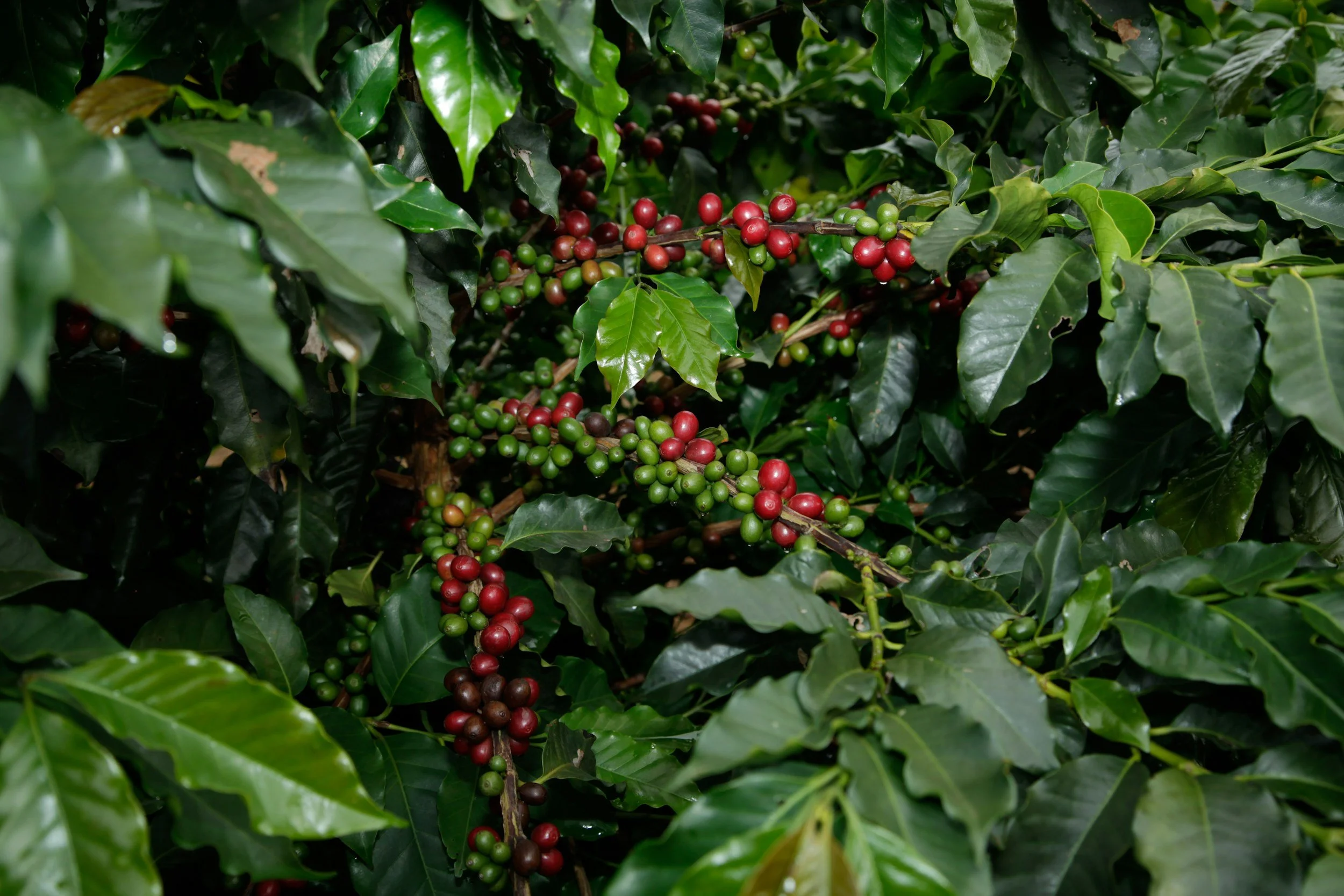
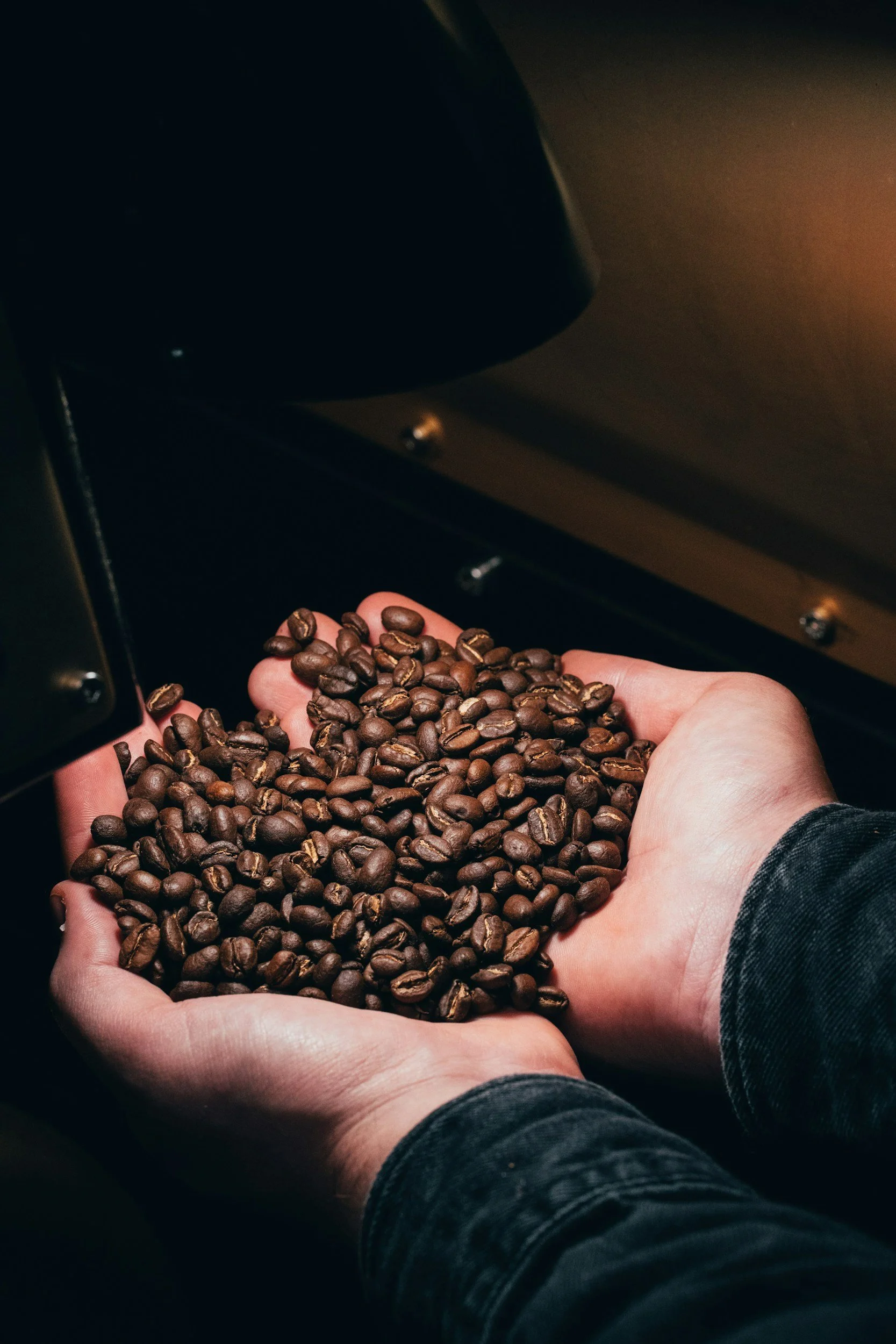
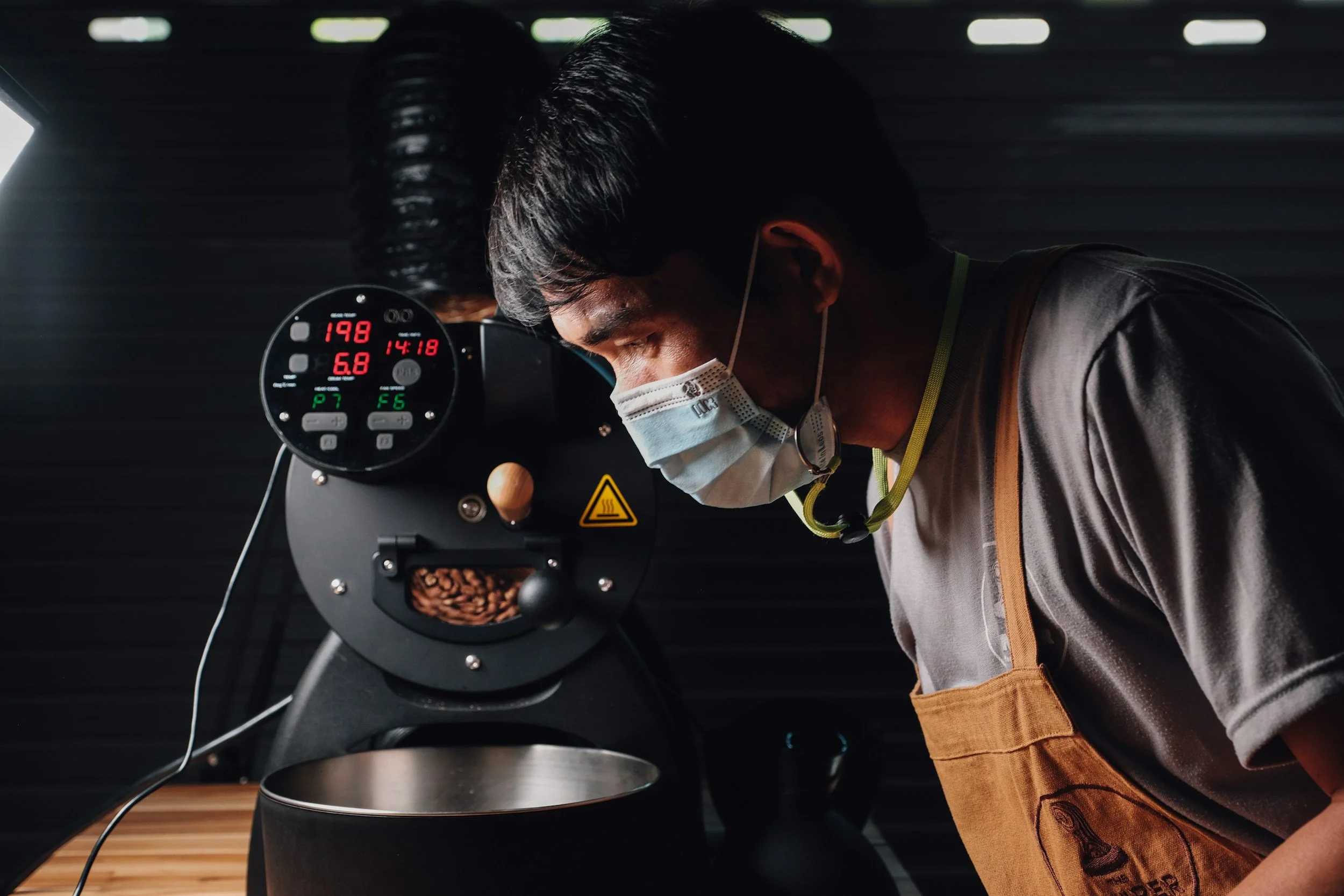
I recommend going with a coffee shop in the area so you get the full expertise of the entire coffee production process from growing to harvesting and roasting instead of just a farm tour. The coffee trees themselves are shorter fruit trees that produce fruit cherries. The cherries are depulped and the shell of the seed is removed to access the coffee bean itself. The bean is then dried, stored, and shipped to your local coffee shop for roasting. You’ll learn about natural, washed, and anaerobic processing and what happens after the fruits are picked. There’s often a cupping at the end to sample the same coffee produced using the different processing methods. If you never visited a coffee farm, I highly recommend doing one.
Saffron Coffee is one of the first specialty coffee shops in the region and runs tours to nearby coffee farms to supplement the farmer’s income. Shompoo Tours works with Sahai Coffee to run a similar coffee tour and you can sign up for it in the shop on the main road.